
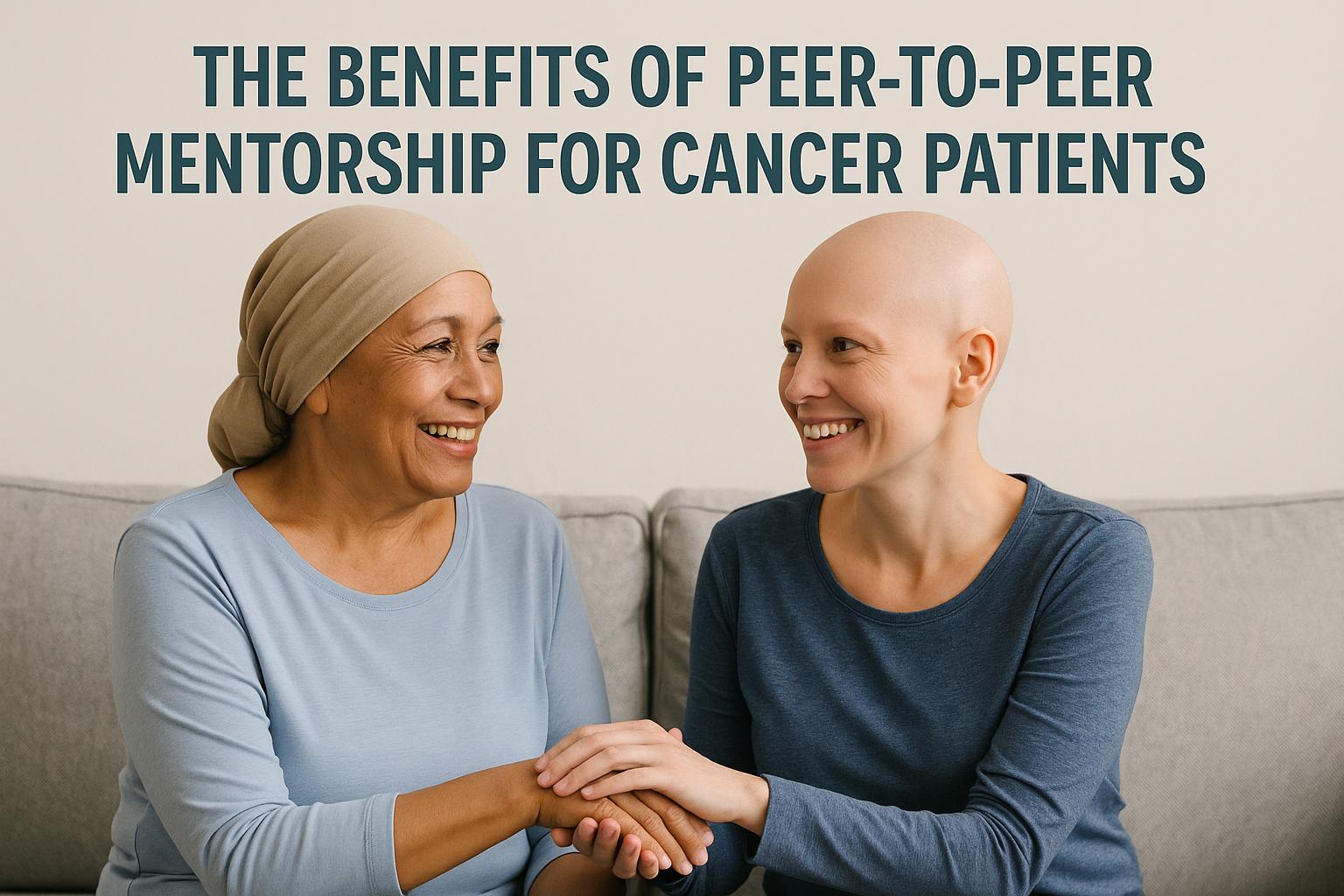
The Impact of Peer-to-Peer Mentorship on Cancer Patients
Cancer, known for its complexity and profound impacts on individuals, affects both the physical and emotional aspects of a person’s life. Beyond medical treatments, which primarily focus on combating the disease, holistic strategies have proven essential for improving overall patient outcomes. One such strategy that is gaining recognition is peer-to-peer mentorship. This innovative practice involves pairing individuals recently diagnosed with cancer with those who have previously navigated or are currently managing their own cancer journeys. The multifaceted benefits of this approach extend to various aspects of cancer patients’ experiences.
Providing Emotional Support
A predominant benefit of peer-to-peer mentorship lies in the emotional support it offers. Receiving a cancer diagnosis can be an emotionally taxing experience, often accompanied by feelings of isolation and anxiety. For many patients, these feelings may stem from a perceived lack of understanding from those who have not experienced cancer firsthand. By connecting newly diagnosed patients with mentors who have been through similar experiences, this mentorship offers a distinctive kind of empathy and understanding that can be hard to find elsewhere.
Beyond the simple act of sharing experiences, the empathetic bonds formed through peer mentorship can be profoundly healing. Such connections can make a notable difference in alleviating loneliness and providing assurance. Studies consistently demonstrate that empathy—the kind that emerges from shared experiences—plays a significant role in emotional recovery and resilience. Although patients can seek information and support from professional sources like the American Cancer Society, the personalized empathy and insights shared through peer networks are unique and irreplaceable.
Sharing Practical Knowledge
Another critical aspect of peer-to-peer mentorship is the practical knowledge transfer that occurs between the mentor and mentee. Cancer treatment can be a bewildering maze of side effects, lifestyle adjustments, and new challenges. Here, mentors can provide invaluable insights gained from their own experiences. Through this personalized exchange, mentees receive guidance on managing side effects, dietary adjustments, and effective coping strategies that others have found useful.
This knowledge exchange is more than just informational; it empowers patients by providing them with actionable solutions to day-to-day challenges. Armed with practical knowledge, patients often find it easier to navigate their treatment journeys. This empowerment can lead to enhanced autonomy, allowing patients to tackle their circumstances with a greater sense of confidence and control, ultimately leading to an improved quality of life even during treatment.
Enhancing Communication with Healthcare Providers
Effective communication with healthcare providers is crucial for tailoring treatments to individual needs and monitoring patient wellness. Peer mentors play a critical role in enhancing the dialogue between mentees and healthcare teams. Equipped with advice on how to express concerns or articulate symptoms effectively, mentees become better prepared for consultations with their physicians.
A mentor’s support can help patients ask the right questions, express their discomforts accurately, and better participate in their treatment planning. When patients communicate more effectively, healthcare providers can offer more personalized care plans, leading to better-aligned treatments and more satisfactory patient outcomes. Thus, enhanced communication facilitated by peer mentorship can be a substantial factor in personalizing and optimizing cancer care.
Building a Community
The benefits of peer-to-peer mentorship extend beyond the individual relationships, fostering the development of a larger community of support. These peer networks not only provide encouragement and motivational support but also contribute to a sense of collective strength and resilience. Through these communities, patients often create long-lasting friendships, gain communal strength, and share hope and inspiration with one another.
Participation in a supportive community helps patients realize they are not alone in their struggles, which can be a comforting and uplifting realization. As a result, many participants experience a profound improvement in their mental health and emotional well-being. Such communities can foster a strong sense of solidarity, significantly enriching patients’ support systems and reinforcing their capacity to deal with challenges.
Conclusion
The integration of peer-to-peer mentorship into cancer care strategies entails significant benefits that address both the emotional and practical dimensions of patient support. More than mere companionship, these support systems are deliberate in providing emotional healing, facilitating practical problem-solving, and promoting improved communication with healthcare providers. Additionally, they help nurture individuals within a wider supportive community. Through these multi-layered benefits, peer-to-peer mentorship emerges as a critical and effective approach in the holistic management and support of cancer patients, ultimately enhancing their journey through this challenging period.
This article was last updated on: July 19, 2026