
Introduction to Cancer Awareness Events
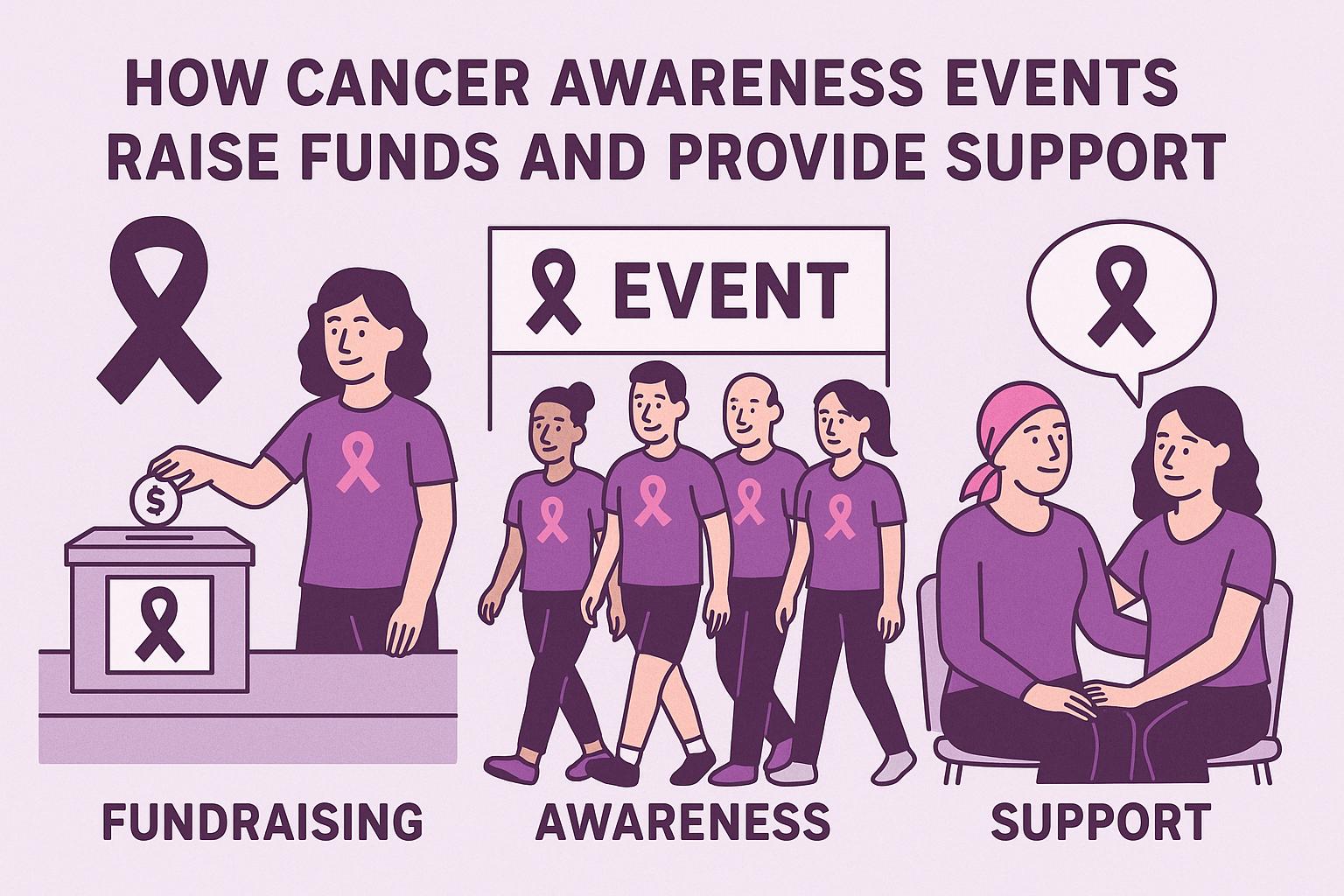
Cancer awareness events are vital to the global fight against cancer, providing a platform for raising funds and offering much-needed support for individuals and families affected by the disease. These events encompass a variety of activities that aim to unite communities in efforts against cancer through education, awareness, and fundraising. From walks and marathons to educational seminars and auctions, the focus is not only on gathering financial donations but also on fostering a community of support and advocacy against cancer.
Fundraising Strategies in Cancer Awareness Events
Cancer awareness events have developed a diverse array of fundraising strategies to ensure they can effectively contribute to research and provide support services. These events are usually spearheaded by non-profit organizations, which depend heavily on community engagement and sponsorship to achieve their goals.
One common method employed is collecting registration fees from participants. Whether it’s a marathon, a walkathon, or any other participatory event, the fees serve as a direct fundraising mechanism. Beyond registration, direct donations are a significant component, encouraging participants and supporters alike to contribute financially. Sales of merchandise, such as t-shirts or wristbands, associated with the event also play a pivotal role in fundraising efforts.
Sponsorship from local businesses forms another cornerstone of the fundraising strategy. These businesses not only provide financial backing but may also support the event through in-kind donations, such as offering their premises as event locations or providing necessary supplies and refreshments. This association benefits businesses as well, enhancing their visibility and demonstrating their commitment to social responsibility.
An example of a successful organization utilizing these strategies is the American Cancer Society. They effectively channel funds raised through various events into comprehensive cancer research, patient support programs, and expansive educational initiatives.
Community Involvement and Sponsorship
The involvement of the local community is indispensable to the triumph of cancer awareness events. Community members, when actively engaged, contribute not only through participation but also by fostering an environment of support and encouragement for those battling cancer. The events often act as a bridge, connecting community members who might not otherwise have meaningful interactions, all while focusing on a shared goal.
Local businesses emerge as critical allies in these events. By sponsoring events, they offer much-needed financial injections and other resources that can alleviate operational expenses for organizers. This sponsorship can take the form of monetary contributions, provision of goods and services necessary for event logistics, or even offering spaces for hosting the events. In return, businesses enjoy an elevated profile within the community, showcasing their commitment to societal welfare, and this often translates into intangible benefits such as enhanced reputation and goodwill.
Engagement Through Participation
Active engagement is key in ensuring the continued success of cancer awareness events. Organizers create numerous ways to involve participants so they feel a part of the cause on both physical and emotional levels. Physical activities like walkathons and runs are inviting and inclusive, encouraging people of all ages and fitness levels to engage physically while advocating for a healthier lifestyle.
Meanwhile, activities that touch on the emotional spectrum, such as survivor storytelling and educational sessions, help participants understand the real-world impact of their contributions. These interactive elements often personalize the gravity of cancer, fostering empathy and inspiring continued support. Participants leave with a sense of fulfillment, knowing their involvement contributes to a broader societal impact.
Providing Support to Patients and Survivors
Cancer awareness events extend beyond mere fundraising; they represent a crucial support system for patients and survivors. These events establish platforms where individuals can share their stories, draw strength from each other’s experiences, and foster a community spirit that aids emotional and psychological healing.
Educational Outreach
A critical aspect of cancer awareness events is their educational outreach efforts. These events serve as a resource hub for the public, offering valuable information about cancer prevention, early detection, and available treatment options. Educational sessions may feature presentations by healthcare professionals offering expert insights, giving participants access to a wealth of knowledge that might otherwise be hard to obtain.
In addition, the distribution of educational materials at these events ensures that attendees leave with tangible resources they can use to inform themselves and others. Moreover, free health screenings conducted during these events can lead to early detection of cancer, potentially improving outcomes for individuals who had not previously accessed such services.
Support Networks and Resources
Access to support networks is another significant advantage of attending cancer awareness events. For many, these events offer the first opportunity to connect with others who have walked a similar path. The exchange of experiences creates a supportive community atmosphere that fosters mutual understanding and resilience.
Organizations involved in these events typically offer further resources, including access to support groups where continued dialogue and support can occur. Counseling services are frequently made available, providing essential emotional support for both survivors and those currently battling cancer. Furthermore, some organizations aid financially by linking individuals to programs that can provide monetary assistance for treatment and recovery.
Raising Public Awareness
Fundamentally, raising public awareness about cancer is the cornerstone of these events. By spreading crucial information, the events aim to combat ignorance and reduce the stigma often associated with cancer. A well-informed public is better equipped to spot warning signs early, allowing for timely intervention and potentially better outcomes.
Public awareness initiatives also seek to dismantle common myths and misconceptions about cancer, promoting realities grounded in scientific evidence and lived experiences. When more people are aware and knowledgeable, the broader societal perspective on cancer can shift towards a proactive rather than reactive approach, emphasizing prevention and early detection over crisis management.
Conclusion
In summary, cancer awareness events play an essential role in the global response to cancer. They succeed in raising pivotal funds while simultaneously providing robust support to those who need it. Educational programs spread at these events arm the public with knowledge that can save lives through prevention and early detection. Through community involvement and strategic partnerships, these events offer invaluable resources and create lasting impacts that echo well beyond the specific days they occur. They embody the spirit of community resilience and collaborative effort necessary to overcome an adversary as formidable as cancer.
This article was last updated on: July 12, 2026