
Cancer Support Organizations and Their Community Resources
Cancer support organizations serve as a beacon of hope and a vital source of assistance for individuals and families affected by cancer. They play a crucial role in addressing the comprehensive needs—physical, emotional, financial, and logistical—posed by a cancer diagnosis. By offering a diverse range of community resources, these organizations are committed to aiding patients, survivors, caregivers, and their families; thereby easing the overwhelming challenges associated with cancer.
Information and Education Services
A cornerstone of cancer support organizations is their provision of credible, evidence-based information. Understanding a cancer diagnosis and the multitude of treatment options can be daunting. These organizations strive to demystify this complex information by providing brochures, educational workshops, and digital resources. Such materials empower patients and their families, fostering informed decision-making processes throughout their cancer journey. To gain a deeper understanding of these offerings, one may explore resources like the American Cancer Society’s support page, which serves as a repository of valuable information.
Emotional and Psychological Support
The journey through cancer is not solely a physical ordeal; it is equally an emotional and psychological challenge. Recognizing this, cancer support organizations offer a plethora of emotional and psychological resources designed to assist individuals in coping with these aspects of their diagnosis. Counselor-led support groups, peer-to-peer networks, and professional counseling services are some of the ways these organizations facilitate emotional healing and resilience.
Support Groups
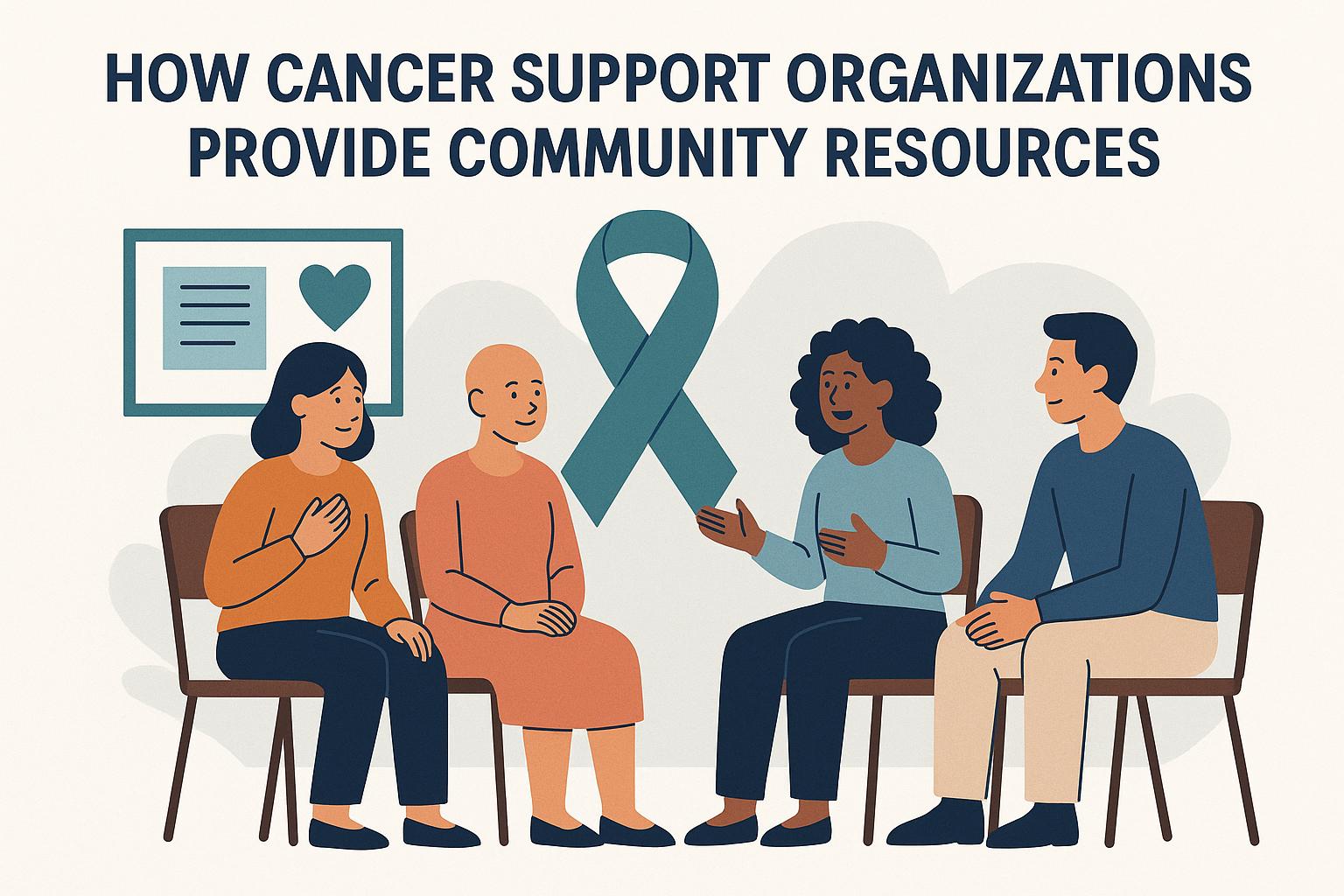
Support groups form the bedrock of emotional assistance provided by many cancer support organizations. Tailored to engage diverse demographics—whether age-specific or cancer-type specific—these groups offer safe, understanding environments. Participants have the opportunity to share their personal experiences, learn from others, and draw strength from communal solidarity.
Professional Counseling
Complementing peer-centered support, professional counseling offers structured mental health assistance from trained therapists. This service is indispensable for those requiring targeted psychological strategies to navigate the turbulence of their cancer journey effectively.
Financial Assistance and Practical Support
Cancer diagnoses often correlate with significant financial burdens, stemming from extensive medical expenses and potential loss of income. Cancer support organizations proactively work to alleviate these financial pressures by offering comprehensive programs that focus on mitigating costs associated with treatment.
Financial Aid Programs
Financial aid programs are specially designed to help cover expenses like medication, treatment, transportation, and more, providing crucial relief from the economic strain of cancer care. While these programs may not completely eliminate financial burdens, they play a pivotal role in alleviating some of the most pressing financial challenges faced by patients and their families.
Transportation and Lodging
Access to required treatment services is often a formidable hurdle, especially for those residing far from medical facilities. Transportation and lodging programs address this need by providing free or low-cost travel options and accommodation near treatment centers, ensuring that logistical barriers do not impede access to necessary care.
Community Outreach and Advocacy
Cancer support organizations extend their impact beyond direct patient services by engaging in community outreach and advocacy. Their goal is to raise cancer awareness, promote preventative health measures, and drive meaningful legislative and policy changes.
Public Awareness Campaigns
Public awareness campaigns are integral to educating communities on cancer risks, preventative strategies, and the necessity of regular health screenings. These campaigns work to empower individuals with knowledge that can lead to early detection and potentially life-saving interventions.
Policy Advocacy
Through policy advocacy, cancer support organizations engage with legislative processes to improve healthcare policies, expand access to cancer care, and secure essential funding for ongoing cancer research and patient support initiatives. Their advocacy efforts are crucial in forging systemic change that benefits current and future cancer patients.
In conclusion, cancer support organizations stand as a crucial support system for those navigating cancer. Through their extensive educational, emotional, financial, and logistical offerings, they play an indispensable role in lifting the burdens off patients and their families. Their work not only benefits individuals on a personal level but also strengthens community awareness and drives positive changes in healthcare policy. For more information on how these resources can make a difference, visit the Cancer Support Community website.
This article was last updated on: June 14, 2026