
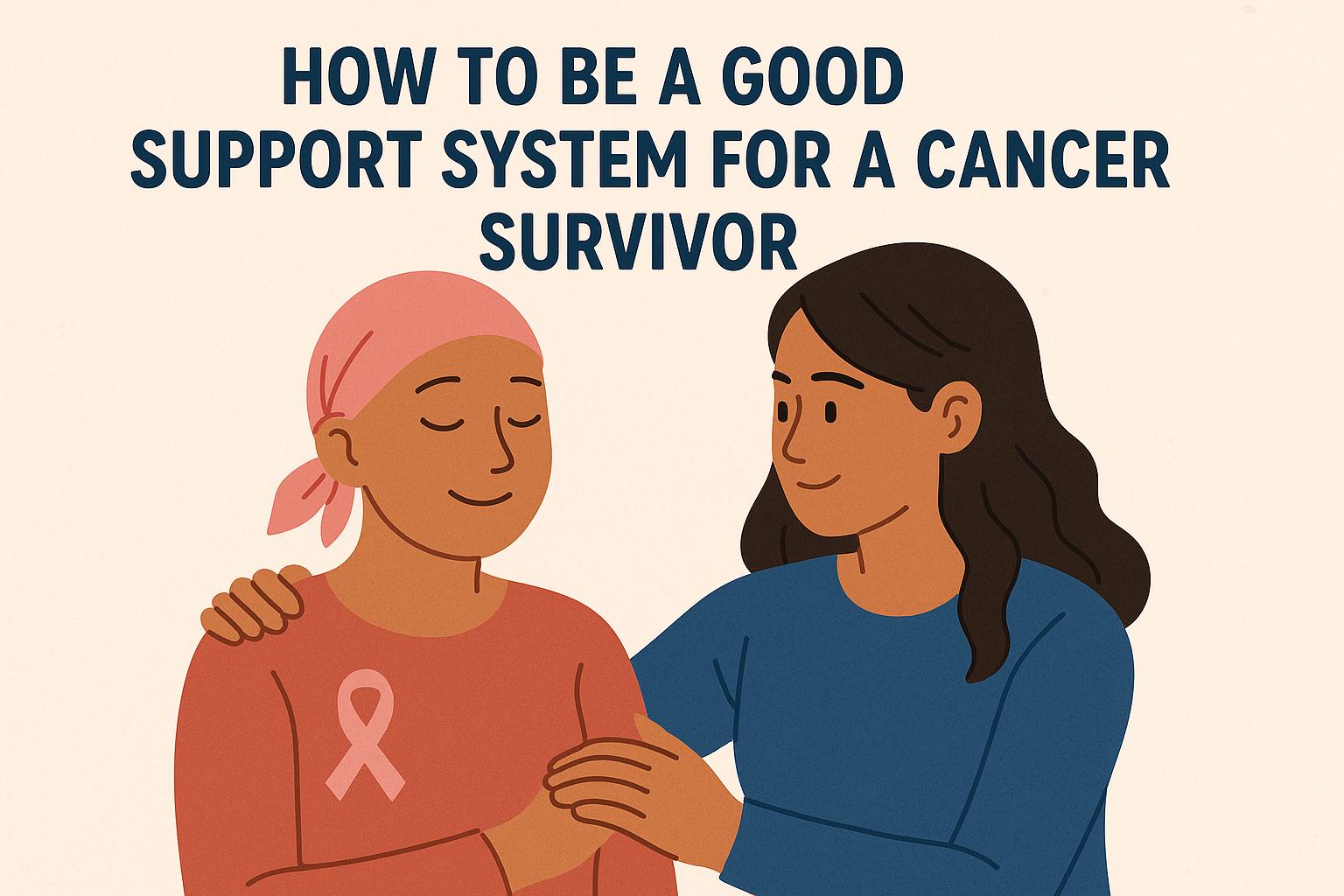
Understanding the Needs of a Cancer Survivor
Providing a strong support system for a cancer survivor involves understanding their unique needs and challenges. Survivors may face a variety of physical, emotional, and psychological issues post-treatment. Acknowledging these challenges is the first step to offering meaningful support. The journey of a cancer survivor doesn’t merely end with the conclusion of medical treatment; rather, it continues as they navigate through the complexities of life after cancer. Supporting someone during this period requires empathy, patience, and a willingness to understand their evolving needs.
Physical Recovery and Wellness
Cancer treatments such as chemotherapy, radiation, and surgery often leave a lasting impact on the body. These treatments, essential for combating cancer, also come with side effects that can persist long after the therapy has concluded. Survivors may encounter fatigue, pain, and other symptoms that require ongoing management. It is important to encourage survivors to follow up with their healthcare providers to manage any ongoing symptoms or complications. Offering to accompany them to appointments can reassure them that they are not alone during post-treatment care.
Regular medical check-ups are crucial as they help in monitoring the survivor’s progress and ensure that any arising issues are addressed promptly. Healthcare providers can offer personalized advice that targets specific post-treatment symptoms, ensuring a smoother recovery journey. Assisting survivors by keeping track of appointments or understanding medical instructions can make a significant difference in their recovery process.
Staying physically active and maintaining a balanced diet can also aid in recovery. Physical activity can help rebuild strength and improve mood, whereas balanced nutrition supports the body’s healing process. Offering practical support, such as joining them in a fitness activity or assisting in meal preparation, can be greatly beneficial. Encouragement in these areas not only helps in physical recovery but also enhances mental well-being by providing a sense of normalcy and control.
Emotional and Psychological Support
The emotional and psychological aftermath of cancer is significant. Cancer can drastically affect a person’s mental health, often leaving survivors with feelings of anxiety, depression, or fear of recurrence. Recognizing these emotional hurdles is just as important as attending to physical recovery. The uncertainty associated with cancer can lead to a pervasive sense of anxiety that affects a survivor’s quality of life.
Being a good listener is crucial. Allow them to express their feelings without judgment or pressure to “stay positive.” The simple act of listening can provide relief and comfort. Often, survivors need space to vocalize their concerns and fears, knowing they have a supportive ear.
At times, professional help might be necessary for navigating the emotional complexities of post-cancer life. Suggest exploring therapy or counseling services if needed. These professional avenues can offer structured support and help survivors develop coping mechanisms. Direct them to credible resources like the American Cancer Society’s support resources, which can provide further guidance. These resources are invaluable for learning how to manage life after cancer, offering insights and advice tailored to survivors’ unique challenges.
Encouraging Social Connection
The role of social interaction in the well-being of a cancer survivor cannot be understated. Maintaining social ties can significantly impact a survivor’s overall quality of life. Social connections can provide essential support, distraction, and a sense of belonging. Encourage regular social interaction by organizing small gatherings or virtual meet-ups. This assists in reinforcing a sense of community and connectedness, which can lead to better emotional health.
Sometimes, simply being present and offering companionship is invaluable. Spending quality time with survivors helps buffer them against feelings of isolation and loneliness. Building an environment where they feel supported and understood is key in fostering their emotional recovery. Activities don’t have to be elaborate; simple acts of spending time together can reaffirm to survivors that they are valued and cared for.
Understanding Personal Boundaries
It’s important to approach conversations and interactions with sensitivity. Respecting personal boundaries is essential. Survivors may have different levels of comfort when discussing their experiences. This is often due to the deeply personal nature of their journey and the varied emotions they may feel concerning their condition.
It’s crucial to gauge and respect their openness about their cancer journey. Some individuals may be open to discussing their experiences, whereas others may prefer to focus on moving forward. Avoid pushing for information or making assumptions about their condition or desires. Each survivor’s experience is unique, and honoring their wishes in terms of what they wish to share is part of providing respectful support.
Promoting Long-term Health and Vigilance
Life after cancer involves a continuous process of monitoring and healthcare. Cancer survivors often need to remain vigilant about their long-term health. This includes adhering to regular health check-ups and surveillance appointments to monitor their recovery. Regular screenings and tests can help detect any potential issues early, allowing for prompt intervention.
Encourage adherence to these important medical routines and highlight credible information from sources like the Centers for Disease Control and Prevention. Providing this information empowers them with knowledge regarding future health risks and necessary precautions. Understanding what to expect can alleviate some anxiety associated with post-treatment life and empower survivors to take charge of their health.
Final Thoughts
Being a good support system for a cancer survivor encompasses understanding, patience, and respect. By helping them navigate both physical and emotional recoveries, promoting social connections, and encouraging long-term health vigilance, you can provide invaluable support. Each individual’s journey is unique, and responses vary broadly, making it crucial to focus on their individual needs and offer assistance as needed. Support in its various forms can foster an environment of understanding and encouragement, crucial for aiding survivors in their path towards wellness and normalcy.
By taking these measures, you transform the complexity of post-cancer life into a more manageable experience. The efforts to understand and cater to a survivor’s needs often reaffirm to them that they are not alone on their journey.
This article was last updated on: June 28, 2026