
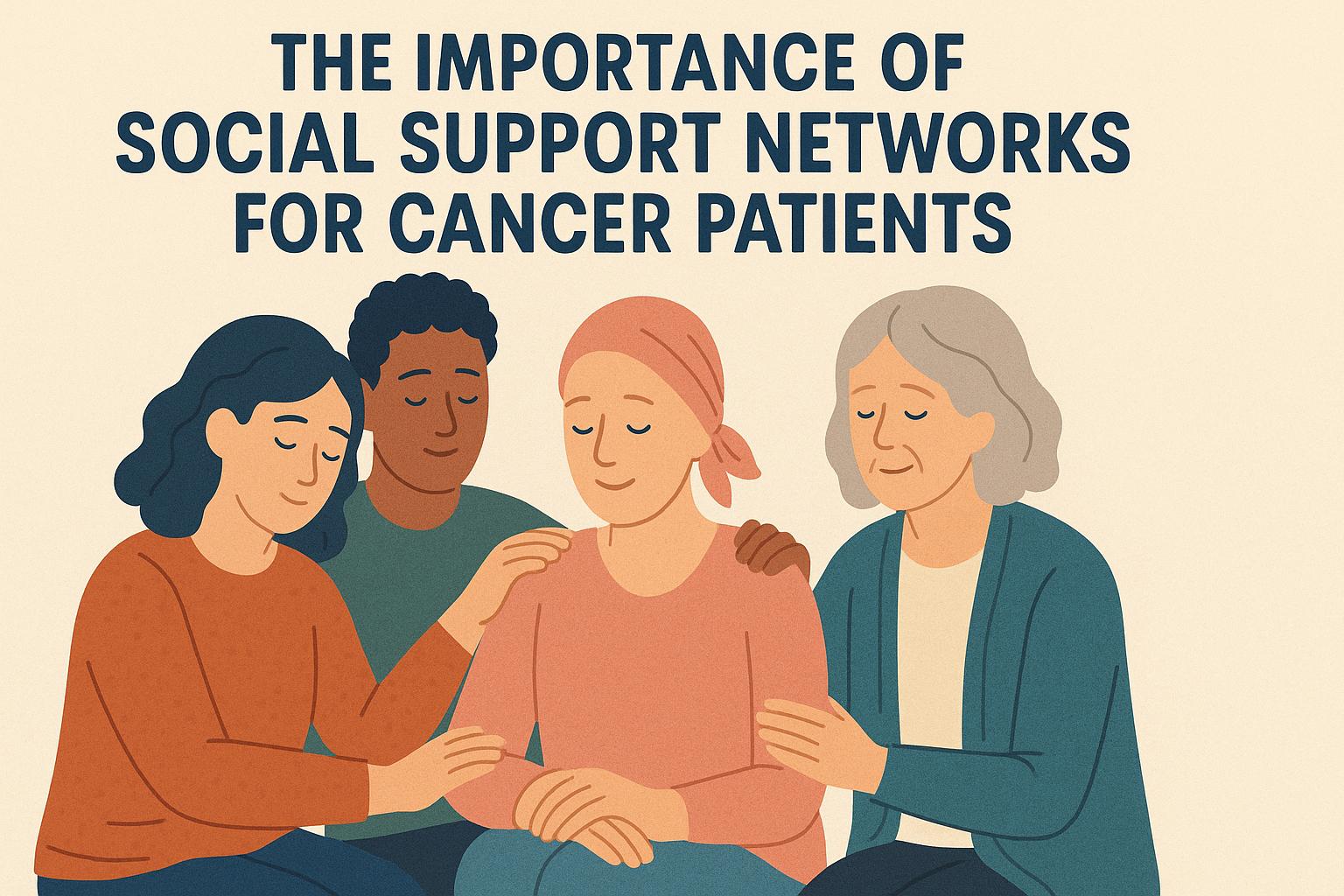
The Role of Social Support Networks
Social support networks play a crucial role in the well-being of cancer patients. These networks comprise family, friends, healthcare professionals, and support groups. They provide practical, emotional, and informational support which can significantly impact a patient’s quality of life.
Types of Support Provided
Social networks deliver various forms of assistance. Practical support involves helping with daily tasks such as transportation and meal preparation. This form of support can reduce the burden on patients, allowing them to focus on their treatment and recovery.
Emotional support is another critical aspect, involving expressions of empathy, love, and care. A study has shown that cancer patients with strong emotional support have better psychological outcomes compared to those with weak social connections.
Informational support involves sharing knowledge about the disease and treatment options. This can empower patients to make informed decisions about their healthcare.
The Impact on Health Outcomes
Having a robust social support network is associated with improved health outcomes. Research indicates that patients with strong social ties often experience lower levels of depression and anxiety. They also tend to adhere better to treatment regimens, which can lead to improved overall health.
Moreover, social support may have physiological benefits as well. Studies suggest that socially supported individuals might have a stronger immune response, making them more resilient during treatment.
Facilitating Support Networks
Healthcare providers can play a vital role in facilitating support networks. This can include connecting patients with social workers or counselors who can help manage their social needs. Many hospitals and clinics offer support groups that enable patients to share experiences and gather strength from each other.
Conclusion
In conclusion, social support networks are vital for cancer patients, impacting both their psychological and physical well-being. Encouraging the development and maintenance of these networks should be a priority in comprehensive cancer care. Despite the challenges posed by a cancer diagnosis, the presence of a supportive community can make a substantial difference in a patient’s journey.
Expanding the Role and Understanding of Support Networks
In the journey of battling cancer, the role of social support networks extends beyond mere companionship and assistance. It encompasses an understanding of the patient’s unique needs, which often vary greatly from one individual to another. Each cancer patient embarks on a distinct journey, characterized by their personal experiences, challenges, and coping mechanisms. Thus, it becomes essential that the social networks, whether they are family members, friends, or healthcare providers, pay close attention to these unique needs and tailor their support accordingly.
Building Personalized Support Systems
A critical aspect of enhancing social support networks lies in building a personalized support system for each individual. Families and friends need to recognize and respect the patient’s preferences, offering a kind of flexibility that accommodates their shifting emotional and physical needs. For instance, while some patients might find solace in frequently discussing their emotions and concerns, others may prefer a more reserved approach, appreciating the presence of their loved ones without the pressure to articulate their feelings.
Equally important is the realization that the need for support may fluctuate at different stages of the treatment and recovery process. As the patient progresses through various phases of their journey, their requirements for support might evolve, necessitating a dynamic and adaptable approach from their network. Personalized support reduces feelings of isolation, reinforcing the idea that the patient is not alone in their struggle, but rather surrounded by individuals who genuinely understand and care.
Role of Technology in Social Support
In contemporary society, technology plays an increasingly influential role in facilitating social support. Digital platforms allow for the creation of virtual communities where patients can share experiences, seek advice, and find companionship regardless of geographical constraints. These platforms provide an avenue for cancer patients to interact with peers who are undergoing similar experiences, thereby reducing the sense of isolation that can accompany a cancer diagnosis.
Furthermore, telehealth services have become instrumental in maintaining communication between patients and healthcare providers. Such services ensure that patients continue to receive medical advice and psychological support without the need for frequent clinic visits. Telehealth also allows family members and friends to remain a part of the healthcare discussion, offering them a better understanding of the patient’s condition and the kind of support they may need to provide.
Cultural Influences on Support Networks
Cultural backgrounds significantly influence the way social support networks are formed and function. Different cultures have varied perceptions of illness, suffering, and the kind of support deemed appropriate. In certain cultures, discussing personal struggles openly is encouraged as a means of communal healing, while in others, a more private approach is preferred.
Understanding the cultural context of a patient is essential in forming an effective support network. This cultural competency enables healthcare providers and support groups to offer interventions that are respectful and appropriate, aligning with the patient’s beliefs and values. Consequently, cultural sensitivity enhances the trust between the patient and their support network, fostering an environment where the patient feels understood and respected.
Challenges in Maintaining Support Networks
Despite their importance, maintaining robust social support networks can present various challenges. The emotional burden on family members and friends, who are often part of these networks, should not be underestimated. Supporting a loved one through cancer can be physically and emotionally draining, and caregivers might experience burnout, impacting the level of support they can provide.
It’s imperative for those involved in such networks to acknowledge their limitations and seek support for themselves when needed. Mental health professionals can offer guidance and counseling to help caregivers manage their stress and prevent burnout. By ensuring that caregivers are also supported, the overall efficacy of the social support network is enhanced, creating a more sustainable environment for both patients and their supporters.
The Future of Social Support for Cancer Patients
Looking ahead, the role of social support networks in cancer care is poised to evolve with advancements in medicine, technology, and a deeper understanding of psychosocial dynamics. The integration of artificial intelligence (AI) in healthcare, for instance, holds the potential to personalize support further, using data analytics to anticipate patient needs and optimize the delivery of care.
Additionally, as societal awareness of mental health grows, the incorporation of psychological support in cancer care is likely to become more pronounced. Healthcare providers are expected to increasingly recognize and address the emotional and mental health needs of both patients and their support networks, acknowledging the profound impact these elements have on overall health outcomes.
In the evolving landscape of cancer care, the significance of nurturing and maintaining social support networks will likely remain undiminished. These networks not only aid in coping with the immediate challenges of the disease but also contribute to the long-term resilience and well-being of cancer survivors. Through collaborative efforts by healthcare providers, patients, and their communities, social support networks can continue to be a beacon of hope and strength in the midst of the cancer journey.
This article was last updated on: May 24, 2026