
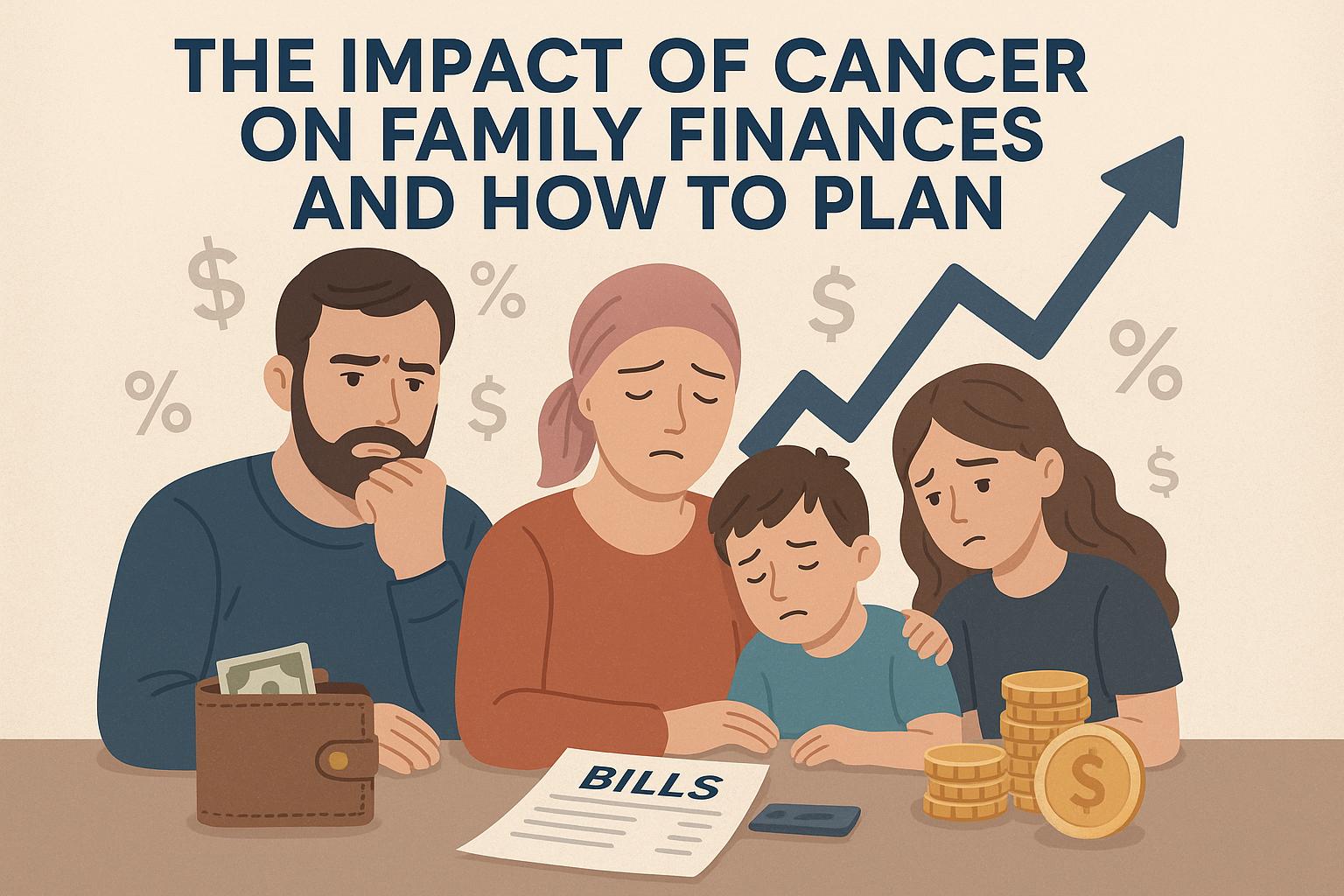
The Financial Burden of Cancer on Families
Cancer, a complex disease affecting millions worldwide, presents challenges that extend beyond the health concerns of the patient, deeply impacting their economic situation as well. This multifaceted issue not only disrupts the individual diagnosed but also influences the entire family unit, posing a significant financial hurdle due to the array of costs associated with treatment and care.
Understanding Direct Treatment Costs
Direct treatment expenditures represent the most apparent financial impact of cancer. Variability in cost depends on several factors such as the specific cancer type, its stage at diagnosis, and the treatment plan devised. These outlays generally encompass several critical components:
Firstly, medical consultations and hospital stays are unavoidable expenses. Frequent visits to healthcare providers, involving both initial consultations and subsequent follow-ups, quickly accumulate costs. This is compounded by potential hospital admissions required for more serious interventions or complications arising from the treatment process.
Secondly, akin to consultations, surgery and related procedures contribute significantly to treatment costs. The necessity and type of surgical intervention depend on the specifics of the cancer diagnosis, with some surgeries being highly advanced and therefore expensive.
Additionally, ongoing chemotherapy and radiation therapy sessions are often part of the treatment regime. These therapies, essential for cancer management, are accompanied by steep financial outlays given their complex nature and duration.
Completing the spectrum of direct costs are medications and prescription drugs. The list of required drugs might include pain management medications, anti-nausea solutions, and specific oncological prescriptions tailored to the individual’s treatment plan, each contributing to the financial burden faced.
Without comprehensive health insurance, these expenses can become a heavy, rapidly accumulating load for families to bear, requiring effective management and strategic planning.
Exploring Indirect Costs
Beyond the direct medical costs, cancer presents substantial indirect financial implications which can undermine a family’s economic stability:
The first indirect burden often encountered is the loss of income. The need to accommodate treatment schedules frequently requires patients to take extended leaves, often unpaid, from work. Additionally, a family member might become a primary caregiver, further affecting household earnings.
Another significant indirect expense is travel costs. Especially in areas where specialized cancer treatment centers aren’t locally available, families must frequently travel long distances. This not only incurs fuel costs but also might require overnight accommodations, adding to the stress and financial pressure.
The requirement for specialized home care incurs home care costs. Here, the debate ranges from hiring professional help to buying necessary medical equipment such as hospital beds, thereby adding another layer of potential expenditure.
In capturing the full breadth of financial encumbrances, these indirect costs illuminate the diverse ways financial stability can be affected throughout a cancer diagnosis scenario.
Insurance and Access to Financial Aid
A crucial strategy for mitigating the financial strain of cancer is understanding and optimizing available insurance and financial aid resources.
An initial step involves a deep dive into one’s insurance coverage. Thoroughly reviewing the policies for specifics on chemotherapy, hospital stays, surgeries, and other medical procedures helps ensure maximum compensation through insurance. In certain scenarios, securing supplemental insurance might be advisable to cover gaps in primary insurance policies.
Moreover, identifying nonprofit organizations that provide financial assistance can significantly ease the monetary burden. These organizations may offer grants, stipends, or guidance for securing governmental and charitable assistance. Engaging with well-known institutions such as the American Cancer Society can serve as a gateway to tailored resources and support mechanisms.
Proactive Financial Planning
Engaging in proactive financial management creates a buffer against the unpredictable expenses brought about by cancer.
One effective tool is budgeting, enabling families to monitor and plan their expenses, thereby avoiding unexpected debt. This exercise extends beyond medical costs to involve all household finances, ensuring a holistic approach to financial sustainability.
Another valuable strategy is establishing an emergency fund. Continuous contributions to this fund help build a reserve specifically for unanticipated expenses, such as sudden medical bills or treatment changes.
Additionally, engaging in legal and estate planning safeguards a family’s financial future. Initiating structures like wills and powers of attorney ensures that a person’s wishes are respected and family interests protected, irrespective of unforeseen developments.
Lastly, consulting financial advisors experienced with medical crises can yield detailed insights and strategies tailored to alleviate financial stress. These professionals provide a bridge between complex financial landscapes and actionable planning, vital for those navigating through cancer’s economic repercussions.
Conclusion
While the financial impact of cancer on families can be substantial and challenging, understanding the full spectrum of costs, and leveraging available resources, provides a scaffold to mitigate these challenges. Through strategic planning and resourcefulness, families can navigate the financial landscapes of cancer, ensuring necessary care without compromising their economic stability. By taking proactive and informed steps, the weight of financial worry can be lessened, allowing focus on the most important priority: supporting the patient’s health and recovery journey.
This article was last updated on: March 1, 2026