
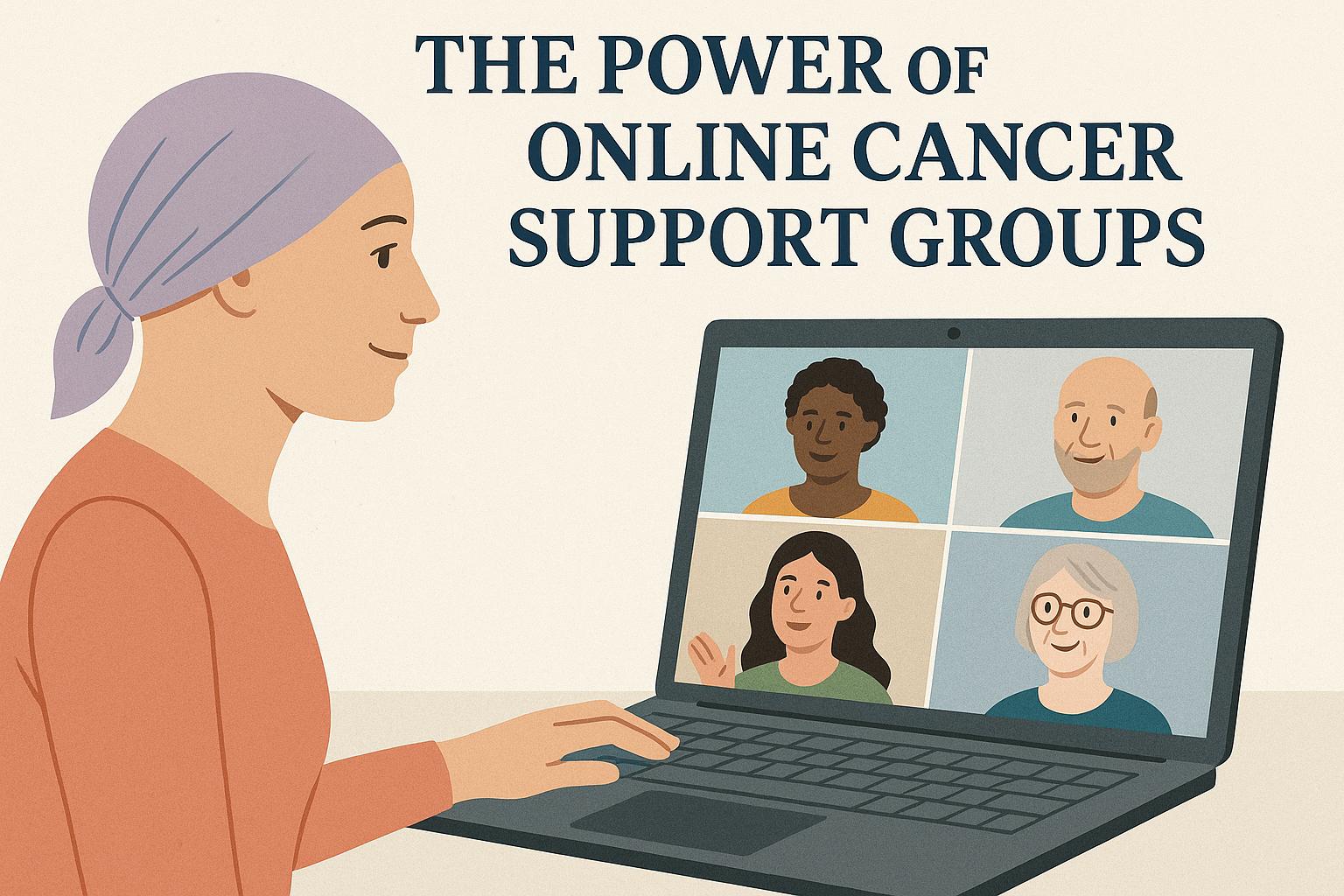
The Importance of Online Cancer Support Groups
The rise of online cancer support groups represents a noteworthy advancement in the assistance provided to individuals dealing with cancer. These digital platforms deliver a unique mix of information access, community support, and personal empowerment. This combination significantly contributes to the well-being and lives of cancer patients and their families.
Enhanced Accessibility and Flexibility
Online cancer support groups provide significant benefits regarding accessibility and flexibility. Unlike traditional support groups that require physical attendance, online platforms are available around the clock. This availability is particularly critical for patients who might face challenges in traveling or maintaining a fixed schedule due to their health conditions. The nature of online support means that help, guidance, and companionship are always just a click away. Patients can access these groups from the comfort of their own homes, reducing the stress and strain associated with attending in-person meetings. For many, this accessibility is not just a matter of convenience but a necessity.
Convenience for Caregivers
Caregivers of cancer patients, who often juggle multiple responsibilities, also benefit greatly from online support groups. They can find solace and advice without needing to carve out additional time in their already demanding schedules. Online support allows them to connect with others who are in similar roles, providing both practical tips and emotional support.
Continual Support and Engagement
Since these groups are not bound by physical or geographical limitations, they encourage ongoing participation. Members can engage with the group at their own pace, without the commitment of regular in-person meetings. This flexibility ensures that the support grows along with the changing needs of the patient, offering an adaptable model to suit whoever needs it.
Access to Diverse Perspectives
A key strength of online cancer support groups is the rich diversity of perspectives they offer. Virtually anyone, regardless of their location, can join these groups. This connectivity allows members to interact with individuals from various backgrounds, some of whom might have unique insights or have faced similar challenges with different approaches.
Learning from Varied Experiences
Members have the chance to learn from a myriad of experiences and strategies employed by others to manage their condition. Such exposure often leads to a broader understanding of different treatment options, coping mechanisms, and lifestyle adjustments that can be beneficial. The array of perspectives available online helps patients and their loved ones make more informed decisions regarding their care.
Global Community
The internet’s global reach means that advice and stories are not limited by geographical boundaries. Patients from different continents can share their narratives, enriching the community’s overall knowledge and support system. This bridging of cultures and experiences broadens the community’s collective perspective and understanding.
Information Sharing and Resources
Online cancer support groups often operate as treasure troves of information. Users proactively share a wealth of information about various treatments, innovative coping strategies, and the latest in research developments. This constant exchange of information ensures that members have access to the most current and relevant data, which might not be easily accessible elsewhere.
Verified and Reliable Sources
Members frequently reference links to reputable sources, research articles, and expert insights. This sharing of resources helps in building a more informed community. For instance, the resources offered by organizations like the American Cancer Society are often cited to provide further depth and credibility to discussions within these groups.
Encouragement of Evidence-Based Practices
The availability of diverse resources urges members to adopt evidence-based practices in their treatment and care strategies. With factual information readily accessible, the community can collectively push against myths and misinformation, promoting a more scientifcally grounded approach to cancer care.
Emotional Support
Recognizing the integral role of emotional support, online cancer support groups serve as a platform for shared empathy and understanding. The virtual nature of these groups allows individuals to connect with others on similar journeys. These interactions foster a sense of inclusion and understanding that can alleviate feelings of isolation and loneliness commonly experienced by cancer patients.
Building Meaningful Connections
Connections formed in these groups are often deeply meaningful as they are built on shared experiences and mutual support. Members provide encouragement during difficult times, celebrate victories, and offer comfort during setbacks.
Improving Emotional Resilience
Regular engagement in these support groups often translates into improved emotional resilience. Knowing there is a supportive network available can help individuals develop a more positive outlook, which is crucial in navigating the emotional complexities of battling cancer.
Empowerment Through Shared Experiences
Participation in online cancer support groups often results in a strengthened sense of empowerment among members. By sharing experiences and learning from others, individuals gain increased confidence in managing their own health.
Encouragement of Active Participation
Shared experiences inspire members to take active roles in their own care. By drawing on others’ experiences, individuals can make more informed decisions and feel more in control of their treatment paths.
Affirmation and Autonomy
Hearing stories and advice from others who have successfully traversed the cancer journey can reinforce personal decisions and foster a sense of autonomy. This reinforcement is particularly empowering, as it promotes the idea that patients are not merely passive recipients of care but active participants in their healing process.
Considerations and Limitations
Despite numerous advantages, online cancer support groups are not without drawbacks. It is important for participants to be vigilant about the information they encounter and to verify any medical advice with qualified healthcare professionals. The anonymity afforded by the internet can sometimes result in the spread of misinformation, necessitating careful consideration.
Need for Critical Evaluation
Participants need to approach online information critically, distinguishing between personal opinions and verified medical advice. It is essential for members to consult their healthcare providers for guidance tailored to their specific cases.
Privacy and Security Concerns
Concerns about privacy and data protection are valid when participating in online groups. It is crucial to choose platforms that prioritize user privacy and ensure data security to safeguard sensitive personal information.
Overall, online cancer support groups play a pivotal role by providing both practical guidance and emotional solace. By offering a comprehensive support system that combines flexibility, accessibility, and diverse perspectives, these platforms become an essential part of the care continuum for those affected by cancer, contributing positively to the healing process.
This article was last updated on: June 25, 2026