
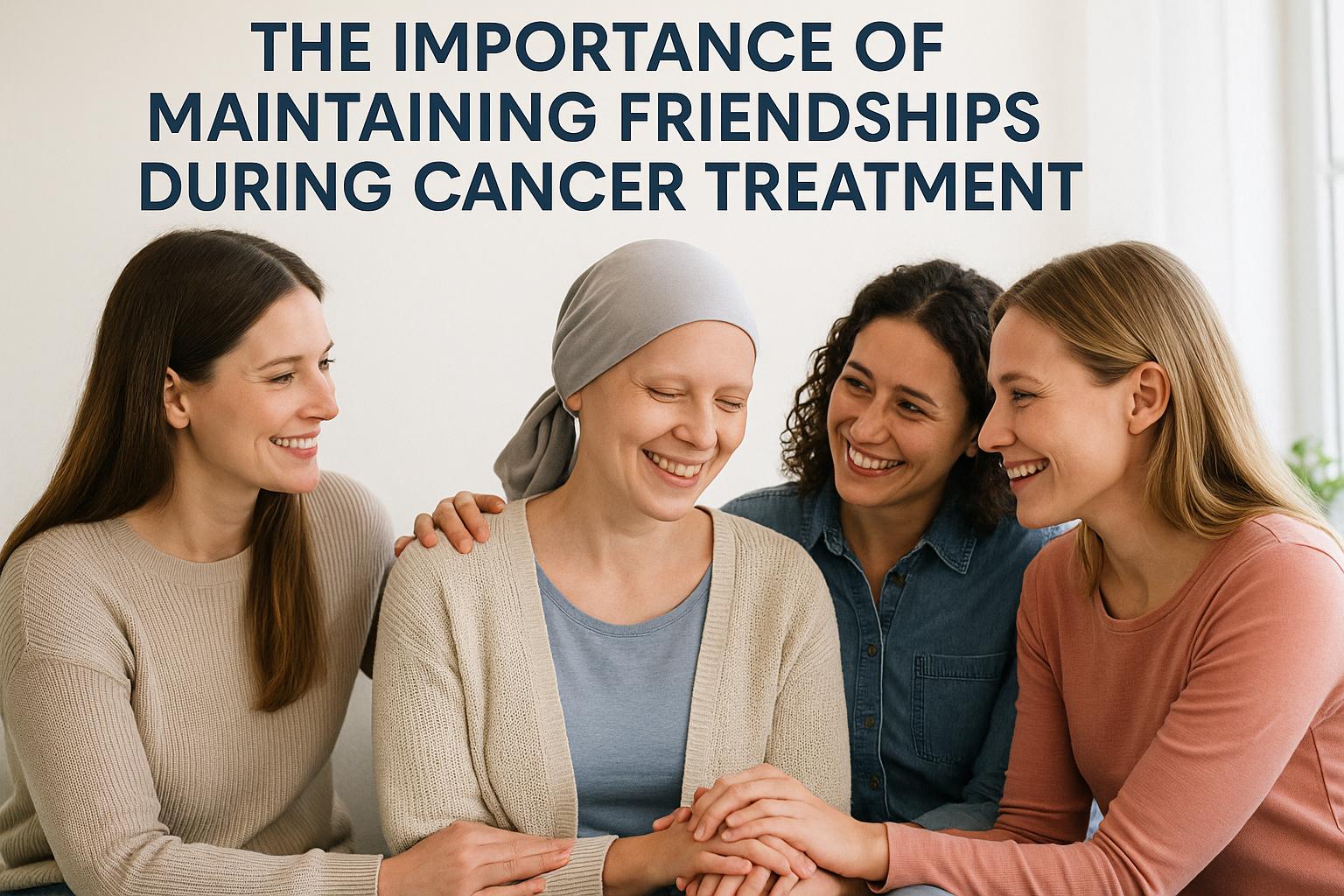
The Role of Friendships in Cancer Treatment
Cancer treatment can be an overwhelming journey, often affecting various aspects of a person’s life. While medical interventions are crucial, the support from friends plays a significant role in overall well-being. Maintaining friendships during this challenging time can provide emotional and practical support, which is essential.
Emotional Support
Friendships offer a valuable source of emotional support during cancer treatment. Friends can provide a listening ear, allowing individuals to express fears and concerns openly. This support can alleviate feelings of isolation and anxiety often associated with the illness. Knowing there is someone who genuinely cares can be comforting and motivate patients to remain positive throughout their treatment.
The Importance of a Listening Ear
Having someone to talk to who will listen without judgement is invaluable. Friends offer more than just casual conversation; they are often the people who will patiently listen to detailed accounts of doctor visits, side effects, or personal fears about the progression of the disease. This level of engagement can provide much-needed relief, as patients are able to vocalize their thoughts and emotions rather than bottling them up.
Reducing Isolation and Anxiety
Social isolation can be problematic for cancer patients as it often exacerbates feelings of anxiety. Engaging conversations with friends can help mitigate those feelings, as they reinforce that the patient is not alone in their battle. This sense of companionship offers emotional strengthening, which is critical during difficult times when the treatment journey may feel overwhelming and lonely.
Practical Assistance
Beyond emotional support, friends can also offer practical assistance. This may include help with daily chores, transportation to medical appointments, or managing household tasks. Such assistance can ease the burden on both the individual undergoing treatment and their immediate family members. For more information on roles friends can assume, healthcare organizations often provide resources—consider visiting the American Cancer Society website for further details.
Helping with Day-To-Day Tasks
Assistance with everyday activities is invaluable, especially when physical energy is compromised due to treatment. Friends might step in to help with grocery shopping, cooking meals, or even taking care of pets. Such tasks, while small, can accumulate and become overwhelming. The practical help provided by friends can allow patients to focus more effectively on their health and recovery without the distraction of everyday stressors.
Aiding in Medical Logistics
Medical appointments can be numerous and exhausting, often requiring navigation through complex healthcare systems. Friends can offer their time and company by attending these appointments, providing transportation, or even helping to take notes during consultations. This kind of logistical support relieves the patient of additional burdens and allows them to concentrate on what really matters—their treatment and well-being.
Maintaining Social Connections
Maintaining social connections is crucial during cancer treatment. Friendships provide a sense of normalcy and continuity, helping to keep patients engaged and active in social activities. Staying connected can contribute to maintaining mental health, which is closely linked to physical well-being.
Contributing to Mental Health
Remaining socially active aids in sustaining mental health, which directly influences physical health. Friendly gatherings, even small ones, offer distractions from the rigors of treatment, lifting the spirits of patients and providing them with moments of joy and laughter. Staying engaged socially combat negative thoughts and promote a positive mindset, both of which are beneficial for recovery.
Promoting Normalcy in Life
Crucial to promoting stability and consistency in life is maintaining social routines. Friends play a vital role in this by inviting patients to engage in typical social activities they might otherwise neglect or feel incapable of doing. This can encompass everything from shared meals, movie nights, or even virtual hangouts. The sense of normalcy and inclusion nurtured through these social interactions helps patients feel more grounded and satisfied in their everyday lives.
Encouraging Positive Outcomes
Studies have shown that individuals with strong social support systems tend to have better treatment outcomes. Friends can encourage adherence to treatment regimens and promote a healthier lifestyle. For instance, friends can join in light physical activities or prepare nutritious meals together, fostering a supportive environment conducive to healing.
Contributing to Adherence and Lifestyle Changes
Not only do friends provide moral and emotional support, but they can also influence healthier lifestyle choices. Whether through encouragement to maintain regular exercise routines or adopting healthier diets, these contributions directly affect a patient’s quality of life and potentially enhance the efficacy of treatments. Friends often act as role models; by participating in these activities together, patients are more likely to follow suit and stick to regimens that can optimize their treatment outcomes.
Establishing a Supportive Environment
Creating a nurturing, non-judgmental environment where a cancer patient feels understood and accepted is essential for healing. Friends contribute to building this space by offering their encouragement and assurance through consistent supportive gestures. These acts of kindness and companionship promote healing not only by boosting mental and emotional health but also through tangible actions that reinforce the patient’s focus on tackling and navigating their treatment journey.
In conclusion, friendships are a vital aspect of the cancer treatment journey. They provide essential emotional and practical support, help maintain social connections, and can even contribute to improved treatment outcomes. Encouraging and sustaining friendships during such a challenging time is crucial. For further guidance on supporting friends undergoing cancer treatment, visit the Cancer.Net support page.
This article was last updated on: August 2, 2026