
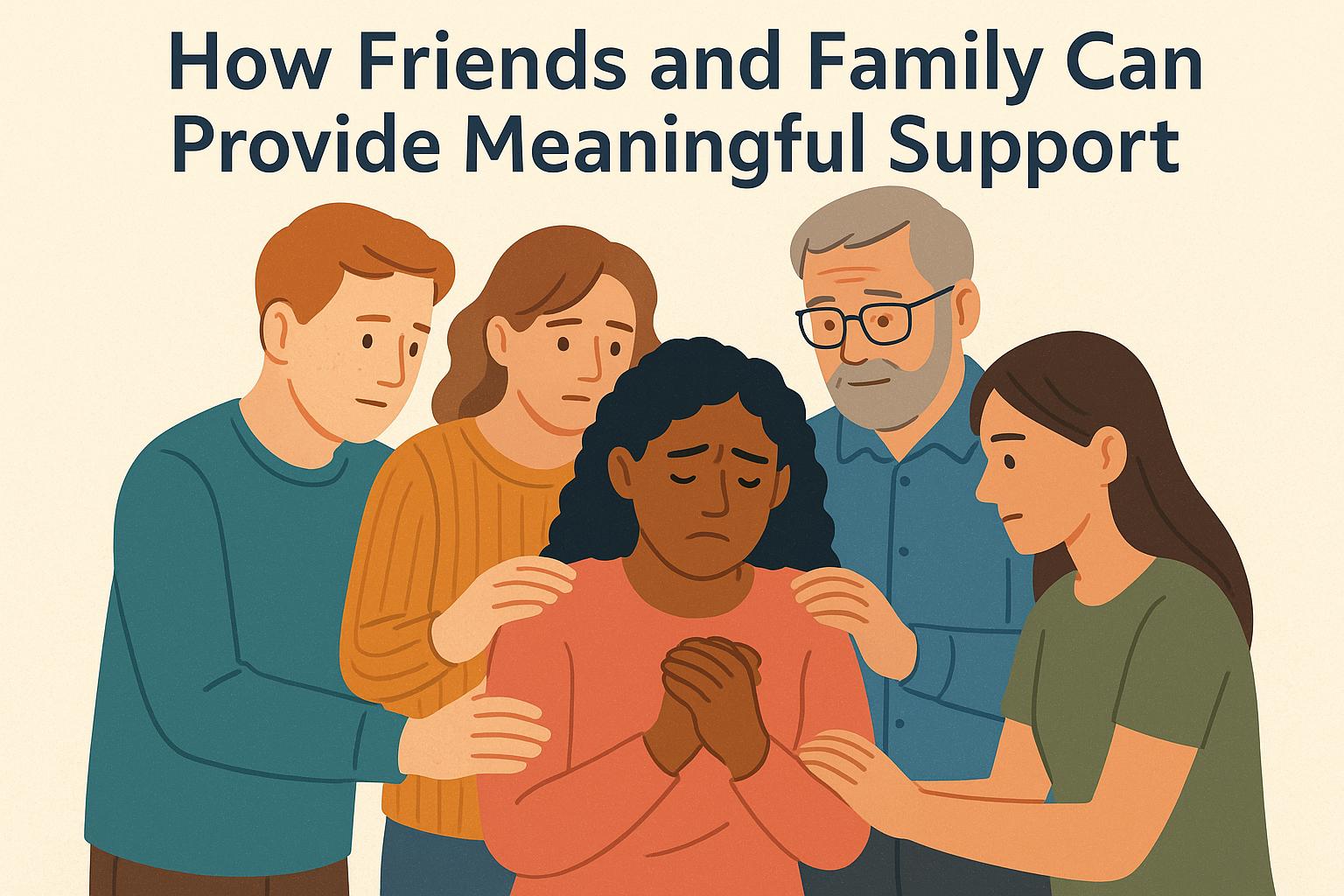
Understanding the Role of Support from Friends and Family
Friends and family can significantly impact an individual’s life through their support, given the profound ways in which they enhance one’s mental and emotional well-being. The different types of support they provide—emotional, informational, and practical—are instrumental in navigating life’s various challenges. Each form of support has its unique characteristics and benefits, yet they all share the common goal of helping individuals thrive.
Emotional Support
Emotional support is a cornerstone of human relationships and plays a vital role in fostering a strong foundation for mental health and well-being. At its essence, emotional support involves actions and behaviors that make someone feel cared for, valued, and understood. Such support manifests in several ways:
Empathetic Listening: One of the most powerful ways to provide emotional support is through empathetic listening. Listening allows individuals to share their concerns without fear of judgment, providing a safe space where they can express their feelings freely. When friends and family listen actively, they validate the individual’s emotions, making them feel seen and heard.
Compassionate Encouragement: Offering words of encouragement is also an integral part of emotional support. Whether during hardships or moments of self-doubt, positive reinforcement can help individuals gain confidence and motivation. Encouragement can come in the form of verbal affirmations, notes of reassurance, or even supportive gestures like hugs.
Presence in Times of Need: Oftentimes, just being there for someone during tough times is sufficient. A compassionate presence means offering a shoulder to cry on or simply being available, showing the individual that they are not alone in their journey. This presence fosters a sense of belonging and can significantly reduce feelings of isolation.
Informational Support
Informational support empowers individuals to make informed decisions and navigate complexities more effectively. This type of support involves providing essential guidance, advice, and access to information:
Sharing Knowledge: Friends and family can share personal experiences or acquired knowledge that may be relevant to the individual’s situation. This sharing can illuminate new perspectives and options, facilitating better decision-making.
Offering Advice Wisely: While advice is often appreciated, it should be offered judiciously, ensuring that it aligns with the recipient’s needs and circumstances. Advice should be grounded in understanding and empathy, rather than imposing one’s own solutions or beliefs.
Resources and Referrals: Sometimes challenges require specialized assistance. In such cases, directing someone to expert advice or resources is invaluable. For instance, guiding an individual to an appropriate medical resource can provide clarity during health-related challenges, enabling them to seek professional help.
Practical Support
Practical support involves offering tangible assistance that helps individuals manage their daily tasks and responsibilities more effectively. This form of support removes obstacles that may hinder an individual’s focus on more meaningful issues:
Assistance with Daily Tasks: Helping with routine chores or errands can alleviate stress, especially if an individual is facing overwhelming circumstances. Friends and family may partake in household cleaning, cooking, or child-care duties, providing relief to the individual.
Transportation and Mobility Aid: Providing transportation support or aiding mobility enhances autonomy, especially for those facing physical or logistical challenges. This support facilitates access to essential services and social interactions, considerably easing daily life.
Financial Assistance: At times, financial constraints can be a burden. Offering monetary support or helping manage finances is a practical way to assist a loved one, allowing them to focus on resolution without immediate financial pressure.
Effective Communication
The efficacy of support systems is largely dependent on effective communication. Open and honest dialogue between the individual needing support and their circle of friends and family is crucial:
Active Listening: Effective communication begins with active listening. This involves full attention to the speaker, reflecting back their concerns to ensure understanding, and refraining from interrupting or providing hasty solutions.
Transparency and Honesty: Clear communication also requires transparency and honesty. Friends and family should express their willingness to help and any limitations they face, thus setting realistic expectations and establishing healthy boundaries.
Being Present
The act of being present is deeply meaningful. Beyond physical presence, it involves mental and emotional engagement:
Emotional Availability: Being emotionally available is pivotal. This presence often provides more comfort than problem-solving efforts. Demonstrating genuine interest in the person’s situation through subtle gestures of empathy often means a lot.
Respecting Autonomy
Supporting someone is a delicate balance between providing help and respecting autonomy:
Fostering Independence: Encouraging loved ones to make their own decisions nurtures self-confidence and independence. While offering guidance and suggestions, it is essential to abstain from overpowering the individual’s agency.
Non-Intrusiveness: A non-intrusive approach respects the individual’s space and autonomy. Such respect ensures that the individual remains in control of their circumstances, which is vital for personal growth and self-efficacy.
Maintaining Balance
While providing support is laudable, it should not compromise the well-being of the supporter:
Setting Boundaries: Identifying personal limits is key to maintaining a healthy balance. Clear boundaries prevent burnout and ensure that support remains sustainable over the long term.
Self-Care Practices: Taking time for self-care allows supporters to recharge, making them more effective in their roles. Prioritizing one’s own health and wellness is essential for providing consistent and genuine support.
In conclusion, while support from friends and family has the potential to profoundly impact an individual’s life positively, it must be approached with sensitivity and respect. By understanding an individual’s needs and preferences, supporters can offer more meaningful and effective aid, ensuring that they are truly helping in a way that is beneficial and sustainable.
This article was last updated on: May 31, 2026