
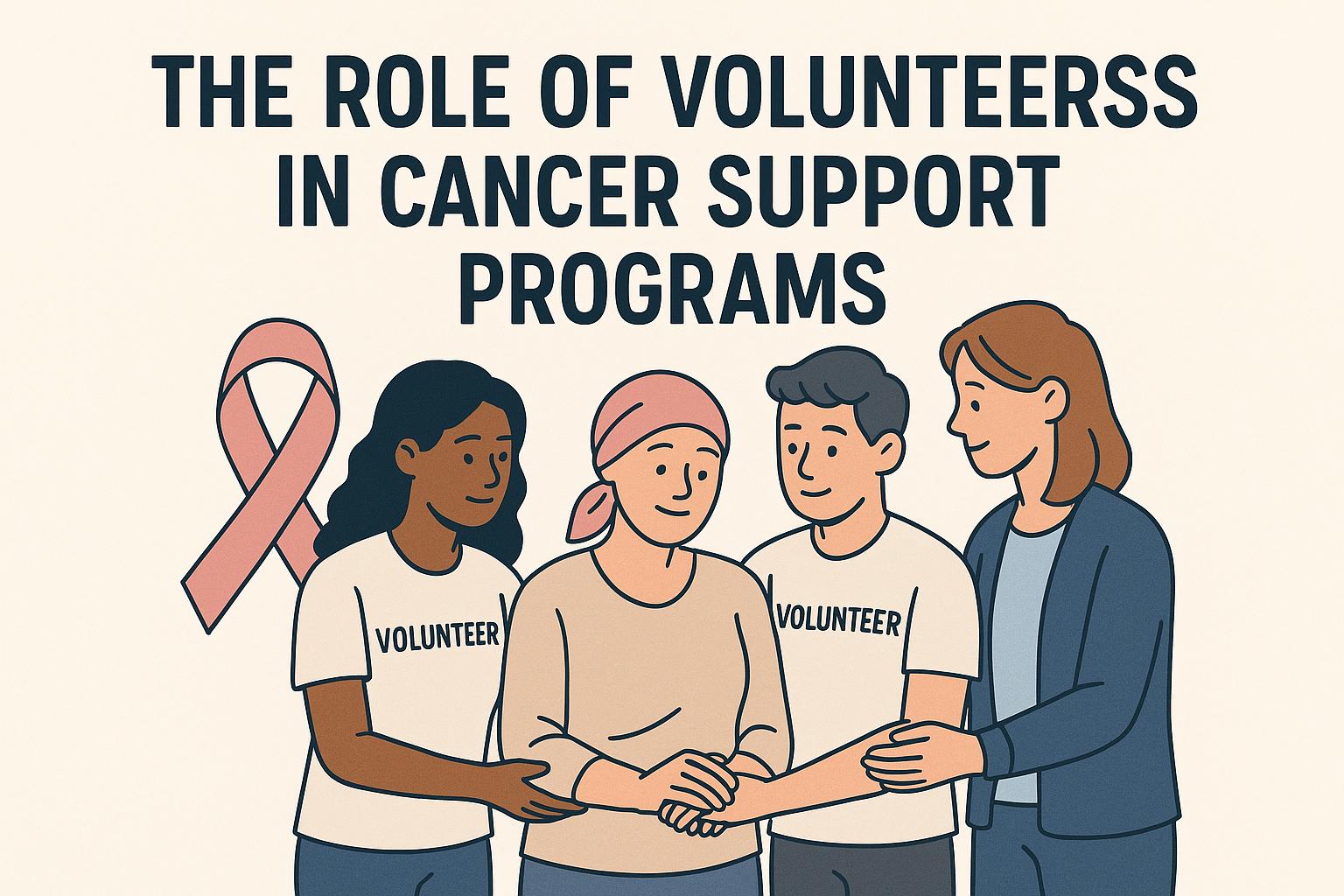
The Importance of Volunteer Engagement in Cancer Support
In cancer support programs, the engagement of volunteers plays a critical role in extending comprehensive care to patients and their families. Volunteers contribute significantly in various capacities, offering both practical assistance and emotional support. Throughout the healthcare environment, volunteers’ roles may be undervalued by some; however, their contributions are indeed invaluable, addressing gaps in care that healthcare professionals alone may not be able to fill. These individuals are the link that facilitates more holistic treatment paradigms, drawing a connection between clinical attention and compassionate care.
Supporting Patients and Families
Volunteers often serve as crucial pillars providing support for both patients undergoing cancer treatment and their families. Volunteering in this domain is about lending a helping hand wherever needed, engaging in activities that directly improve the lives of those navigating cancer’s countless challenges. Their involvement can include facilitating transportation to and from medical appointments, assisting with household chores, and providing respite care to caregivers who may themselves be overwhelmed. By doing so, volunteers contribute to easing the daily burdens faced by families affected by cancer, allowing them to focus more on the healing process.
Moreover, volunteers frequently extend their support beyond the clinical settings. They step into households where they can detect nuanced, unmet needs that may otherwise go unnoticed. For instance, by helping manage domestic tasks, they enable family members, particularly primary caregivers, to spend quality time with their loved ones, which is crucial during cancer treatment.
Offering Emotional Support
Apart from physical assistance, volunteers offer emotional support, which is vital for both patients and their families. The psychological and emotional strain of dealing with cancer is considerable, and having a seasoned volunteer who can offer a sympathetic ear or a comforting presence can make a significant difference. Through companionship, they help reduce feelings of isolation and anxiety commonly experienced during treatment processes. Many volunteers are trained to listen empathetically and provide encouragement, creating a positive environment that enhances the emotional well-being of all involved.
Establishing a bond with a patient can become a central element of support, as it nurtures hope and determination, safeguarding mental health. Having an individual to share thoughts and concerns with, outside of routine medical interactions, often translates into a therapeutic relief, fostering an emotionally supportive environment.
Enhancing Community Awareness
Volunteers also play a pivotal role in raising awareness about cancer within the community. They often participate in organizing educational events, distributing informational materials, and engaging in outreach activities. By doing so, they help to increase public awareness about cancer prevention, early detection, and available treatment options, contributing to a more informed and proactive community.
Their efforts not only elucidate the importance of regular screenings and adopting healthy lifestyles but also serve to debunk myths surrounding cancer. This heightened awareness promotes a vigilant and educated society ready to engage in preventive measures, prioritize early intervention, and champion ongoing research endeavors. Volunteer-led initiatives often harness community connections, generating conversations that might inspire others to get involved in advocacy and support.
Collaboration with Healthcare Professionals
Volunteers work closely with healthcare professionals to provide complementary support that benefits patients. This collaboration helps ensure that volunteers are well-informed and can operate effectively within care teams. Healthcare professionals often provide training to volunteers, equipping them with the necessary skills and knowledge to assist effectively within different program settings.
This partnership paves the way for a bi-directional flow of information; the professionals offer medical insights and training while the volunteers contribute observations from direct community interactions, creating a feedback loop that can innovate healthcare delivery. Such synergy is instrumental in adapting care strategies to better match patient and family dynamics, which might be missed in sterile clinical environments.
The Impact of Volunteer-Delivered Programs
Research indicates that volunteer-driven support programs can significantly improve the quality of life for cancer patients. The involvement of volunteers helps bridge the gap between medical treatment and holistic care, providing patients with comprehensive support throughout their journey. On a practical level, volunteers can reduce the logistical burden of managing chronic illness, allowing patients to better navigate the healthcare system.
Through personalized attention, volunteers ensure that patients are not just passive recipients but active participants in their own care process. By empowering patients with the necessary tools and information, these programs underscore the holistic priorities of mind, body, and spirit. The personalized attention and care offered by volunteers often lead to improved patient satisfaction and may even influence positive treatment outcomes.
Volunteer-delivered programs introduce a layer of versatility; by adapting quickly to individual needs, they provide dynamic and responsive care structures, reinforcing the bedrock of personalized medicine. They also act as a proving ground for innovations in patient care, frequently transforming pilot initiatives into enduring aspects of cancer support.
Conclusion
Volunteers form the backbone of many cancer support programs, delivering invaluable services that enhance the quality of care for patients and families. Their contributions not only provide much-needed support but also foster a nurturing community centered on compassion and hope. For those interested in becoming involved, many cancer support organizations offer opportunities to volunteer. Volunteers actively create networks of empathy, reflecting societal values of altruism and community spirit.
By joining such initiatives, individuals contribute towards reducing the societal burden of cancer, investing in collective well-being and exemplifying humanistic healthcare principles. Volunteering is thus not merely a support function; it embodies a commitment to understanding and alleviating the multifaceted impacts of cancer, serving as a tangible symbol of solidarity and resilience. To find more information, consider reaching out directly to local cancer support groups or visiting their official websites.
This article was last updated on: July 5, 2026