
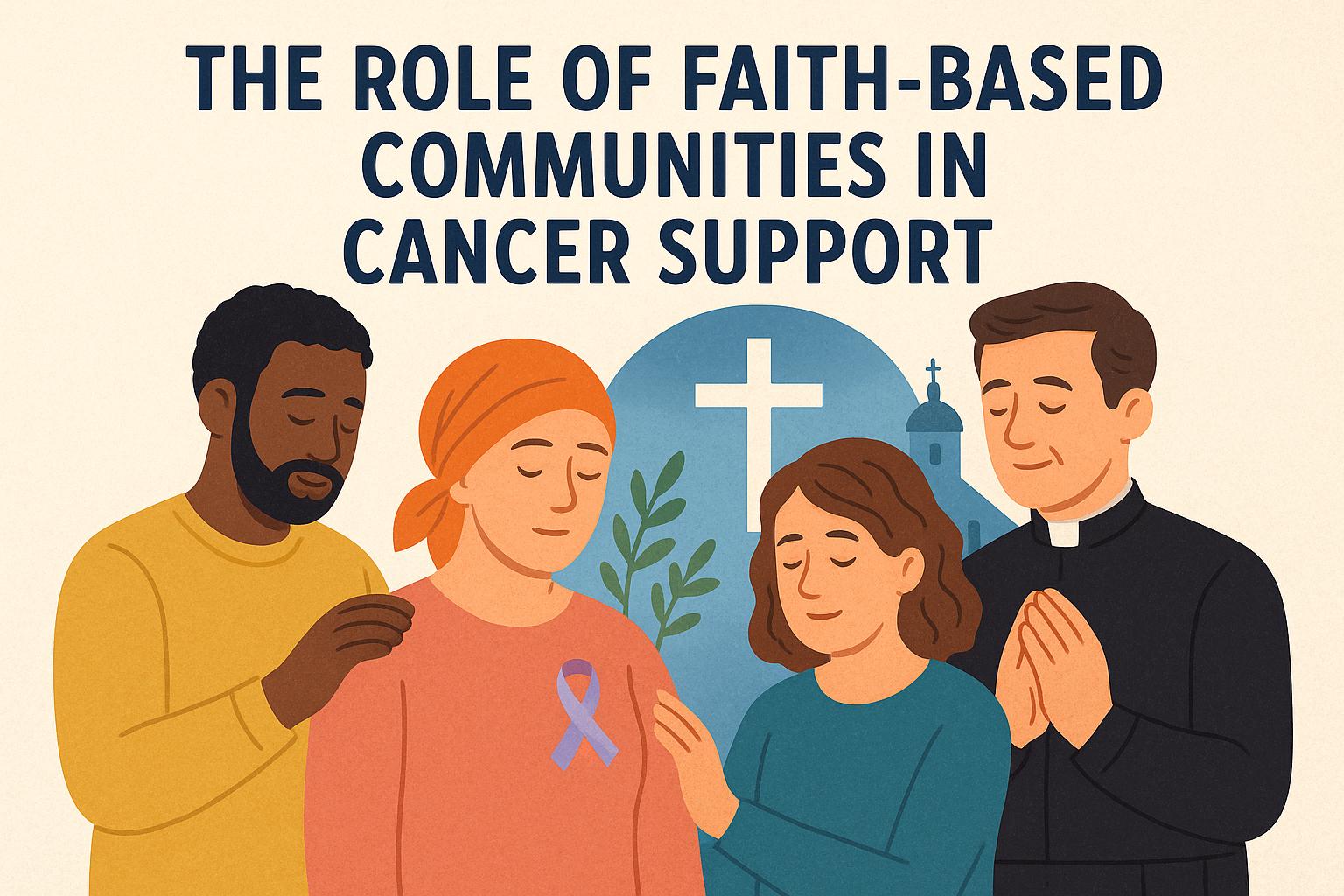
The Influence of Faith-Based Communities in Cancer Support
Faith-based communities have a significant impact on providing support to individuals and families affected by cancer. This role extends beyond spiritual guidance to include emotional, social, and sometimes even financial support. These communities serve as an integral aspect of the holistic care approach needed to address the various challenges faced by cancer patients and their loved ones.
Spiritual and Emotional Support
Spiritual support can be a crucial element in the journey of cancer patients and their families. Many individuals find comfort in their religious beliefs, which can offer hope and strength during challenging times. Faith-based communities often facilitate prayer groups, provide spiritual counseling, and organize worship services tailored to those affected by cancer. Such activities can help reduce anxiety and foster a sense of peace.
Moreover, these communities often engage in rituals and practices that can have a profound psychological impact on individuals. For many, participating in religious ceremonies or prayer groups offers a consistent routine, which can bring stability and a semblance of normalcy amidst the chaos of a cancer diagnosis. This spiritual engagement often allows patients and their families to derive meaning and cultivate resilience through their faith.
Emotional support is equally important. Being part of a community where members share similar values and beliefs can create a strong support network. This network can provide a sense of belonging and understanding, which is particularly valuable during the emotional turmoil of a cancer diagnosis. Faith-based leaders and community members often offer a listening ear and empathetic support, which can be a comforting presence for those in distress.
Additionally, these communities often provide counseling services and support groups where individuals can express their emotions freely. Sharing personal stories and struggles in a space that feels safe and understanding can be immensely therapeutic. This shared journey helps individuals realize that they are not alone, which can significantly alleviate feelings of fear and isolation often associated with cancer.
Practical Support Services
Faith-based communities may also provide practical support to cancer patients and their families. This support extends to areas that might be difficult to manage during the treatment process, such as:
- Organizing transportation to medical appointments
- Assisting with daily chores
- Preparing meals for families overwhelmed by the demands of caregiving
By reducing these burdens, families can focus more on the health and well-being of their loved one. Some faith communities go further by establishing systems to match volunteers with specific needs such as babysitting, errand running, or even simple companionship. The personal touch offered by community members, who often become like extended family, makes these services particularly treasured.
In addition to these efforts, some communities have established cancer support groups or partner with organizations to offer resources and services specifically designed for cancer patients. These partnerships may include access to clinical trials, educational seminars, and wellness programs that integrate faith perspectives with medical care.
Social Interactions and Networking
The social aspect of faith-based communities is another vital component of support. These communities often provide a platform for cancer patients and their families to share experiences and connect with others going through similar challenges. This interaction can reduce feelings of isolation and offer fresh perspectives and coping strategies.
These interactions are crucial because they allow individuals to form meaningful connections that can be sustained throughout their cancer journey and beyond. Engaging with others who have walked a similar path can yield both emotional solace and practical advice. Furthermore, the shared bond of faith amplifies trust and empathy among members, facilitating open communication and heartfelt support.
Faith-based events such as gatherings, retreats, or workshops focused on health and wellness can promote an environment conducive to networking and sharing experiences. Participants can gain insights and encouragement from one another, which can be a powerful motivator in the healing process.
Moreover, social activities orchestrated by faith communities can present opportunities for individuals to engage in normalcy, relaxation, and even fun, which contribute positively to emotional well-being. These events help individuals temporarily step away from the medicalization of their lives, reminding them of life’s simple joys and maintaining their personal identity amidst illness.
Collaborations with Healthcare Providers
In recent years, there has been an increase in collaborations between faith-based communities and healthcare providers. Such partnerships enhance the level of care and support available to cancer patients. Healthcare professionals can provide educational workshops to faith communities, focusing on early detection, treatment options, and holistic care approaches. This knowledge-sharing is pivotal in empowering patients and their families with the information needed to make informed decisions about their health and treatment strategies.
Furthermore, faith-based organizations can act as advocates for the needs of their members within the healthcare system. By understanding the unique challenges faced by their congregants, faith leaders can collaborate with healthcare providers to facilitate personalized care plans that respect patients’ religious values. This collaborative approach ensures that medical interventions are not only effective but also culturally competent and spiritually sensitive.
For more information on the activities and resources offered by faith-based communities, refer to organizations such as the National Association of Catholic Chaplains or the Association for Clinical Pastoral Education.
Faith-based communities play a multifaceted role in supporting cancer patients and their families. Their contribution is a valuable component of the broader spectrum of care, addressing spiritual, emotional, and practical needs that arise during the cancer journey. By engaging with faith-based support systems, individuals can experience not only a strengthening of their spiritual beliefs but also an enhancement of their overall well-being, showcasing the indispensable part these communities have in the fight against cancer.
This article was last updated on: June 7, 2026