
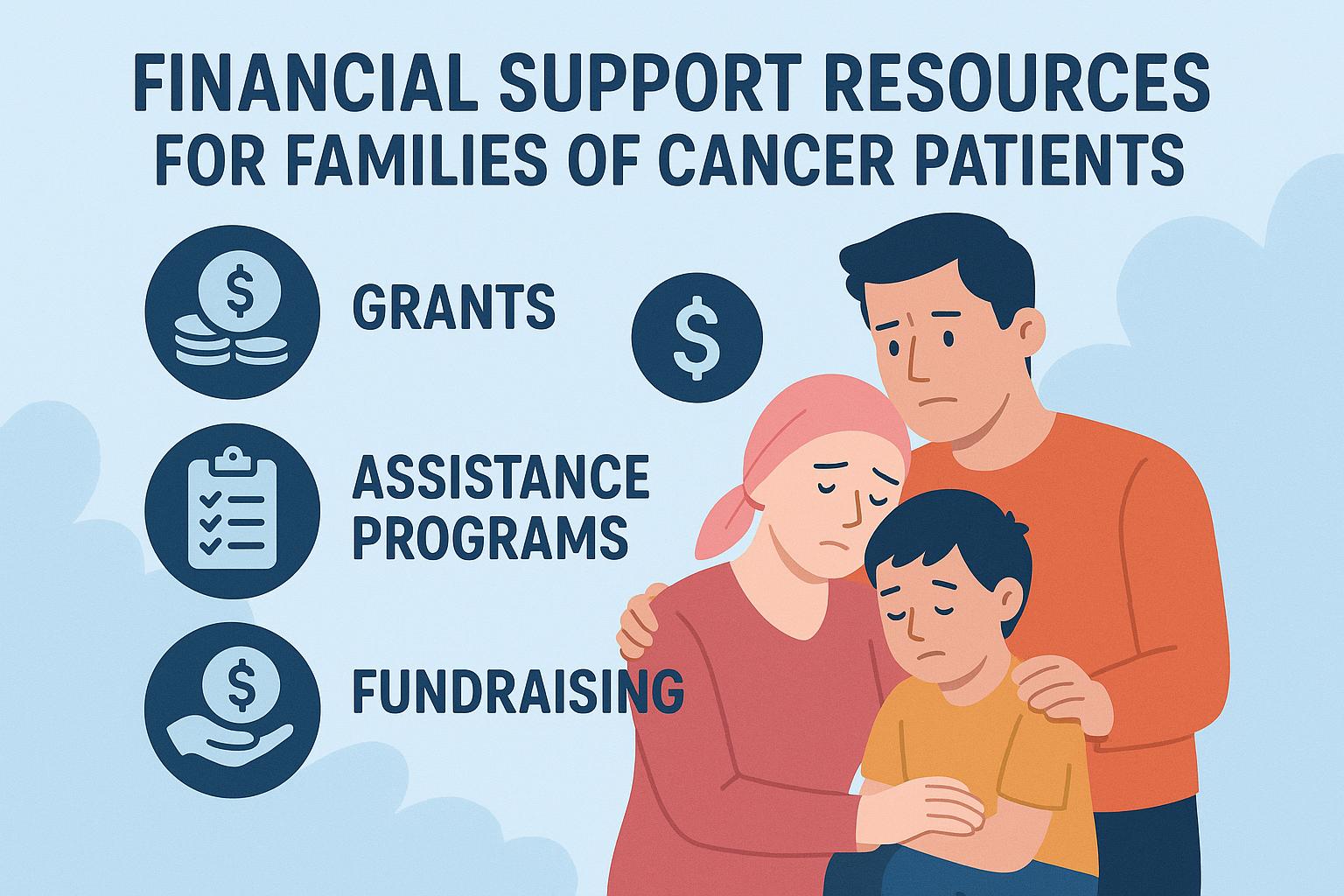
Understanding Financial Challenges Faced by Families of Cancer Patients
Families dealing with a cancer diagnosis are often confronted with multifaceted challenges, not least of which include the financial burdens associated with cancer treatment. The full scope of these burdens can be quite staggering, as they encompass a variety of costs that extend beyond just the immediate medical expenses. Hospital stays, outpatient visits, medication costs, and supportive care are just the surface-level expenses. Beyond these direct costs, there are significant indirect expenses that add layers to an already complicated financial picture. These indirect expenses can include travel to treatment centers, lodging during extended stays away from home, and the loss of income due to missed work either by the patient or the family members providing care.
Health Insurance Coverage
One of the fundamental steps families can take is a thorough understanding of their health insurance coverage. Insurance can often provide some relief, but its complexities necessitate a detailed review of the policy details. Many insurance plans offer partial coverage for cancer treatments; however, the specifics such as co-pays, deductibles, and coverage limits can vary widely. It’s vital for families to contact their insurance provider directly to clarify these aspects and understand what exactly is covered. Knowing these details can help in making informed decisions about the treatments and financial adjustments needed.
Government Assistance Programs
Government assistance can play a crucial role in helping to alleviate some of the financial strain. Programs funded by the government, like Medicare and Medicaid in the United States, have specific provisions for eligible individuals undergoing cancer treatment. These programs aim to cover health expenses that the policyholder’s primary insurance might not fully address. Moreover, the Social Security Disability Insurance (SSDI) can provide income relief for those who qualify, offering an economic safety net amidst the financial instability that might result from the interruption or stoppage of regular employment.
Non-Profit Organizations
The support from non-profit organizations is another vital resource for families grappling with the expenses of cancer. Non-profits like the American Cancer Society are committed to offering a plethora of resources and support services ranging from transportation assistance to finding accommodation near treatment centers for families who need to travel for care. Additionally, organizations such as Cancer Care provide not only financial support but also counseling services for emotional and practical guidance. These organizations are designed to help families manage the multifaceted challenges that come with a cancer diagnosis.
Community and Local Support
Engagement with local communities can reveal additional resources that might otherwise remain untapped. Many communities have local charities and foundations dedicated to aiding families enduring the challenges of cancer. These local organizations may offer services that range from direct financial aid to organizing fundraising events. Religious institutions and community groups may also provide support groups or other forms of assistance, which can be invaluable for families needing more personalized local support.
Employer Assistance Programs
Workplace support can be an often-overlooked resource for families of cancer patients. Many employers understand the impact a serious illness like cancer can have on their employees and might offer assistance programs designed to provide relief. Flexible work arrangements are one such offering that can help employees balance job responsibilities with healthcare obligations. Employee Assistance Programs (EAPs) may offer counseling services and can help connect employees with external supports. It’s advisable for employees to approach their Human Resources departments early to investigate such options.
Financial Planning and Budgeting
Effective financial planning and budgeting become even more critical when a family faces the economic pressures of cancer treatment. Families are encouraged to carefully assess and adjust their household budgets to prioritize essential expenses relating to healthcare and daily living. Engaging with a financial advisor to help create a budget that takes into account the fluctuating nature of medical expenses can provide much-needed clarity and direction.
Charitable Foundations and Fundraising
In addition to organized support from non-profits and government programs, charitable foundations and personal fundraising efforts can provide supplementary financial relief. Many families have found success with online fundraising platforms whereby friends, family, and strangers can contribute to alleviate financial burdens. Additionally, some charitable foundations focus on specific types of cancer and can offer targeted assistance for families in need.
Managing Debt and Credit
Managing outstanding debt and maintaining a good credit score is crucial during this financially trying time. Families may consider speaking to credit counselors who can offer advice on managing debts effectively. Negotiating with creditors to lower payments or hold off accounts in good standing during the treatment period can help prevent further financial strain.
Legal and Financial Guidance
The need for legal and financial guidance may arise as families face complex financial questions. Consulting with a legal advisor who specializes in healthcare or financial law can ensure that families are making informed decisions and fully understanding their rights and obligations, particularly when it comes to eligibility for different kinds of assistance and any potential impacts on tax filings or inheritance.
In conclusion, families of cancer patients have several support avenues available to alleviate financial burdens. Continuously exploring these various options, such as insurance, government and non-profit aid, employer programs, community support, financial planning, legal, and financial guidance can make a pronounced difference. By doing so, families may mitigate some of the financial stress, allowing them to focus more closely on the recovery and the well-being of their loved one.
This article was last updated on: April 19, 2026