
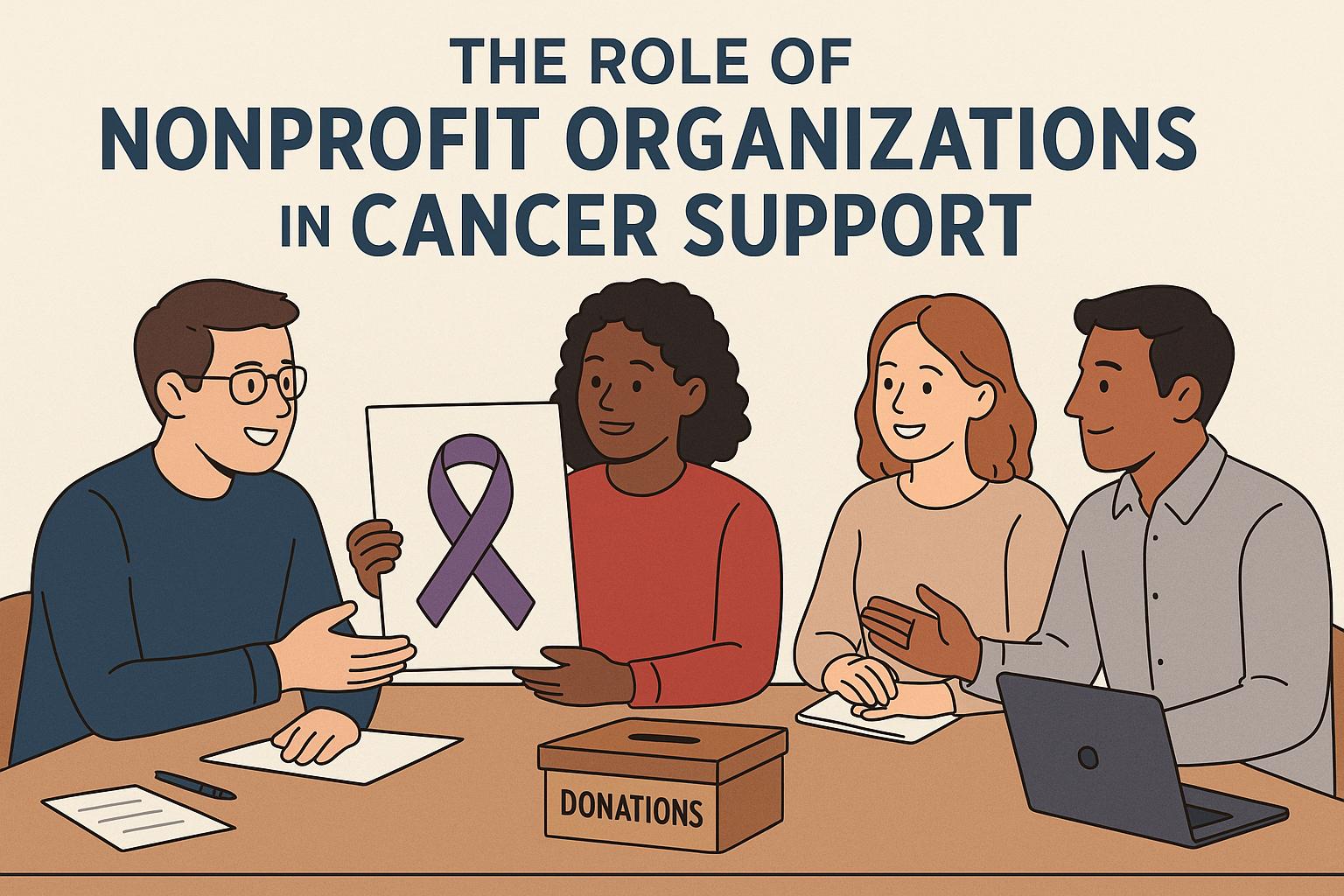
The Impact of Nonprofit Organizations on Cancer Support
The influence of nonprofit organizations within the healthcare landscape, specifically in the realm of cancer support, is profound and multifaceted. These entities operate in several key areas, providing vital patient and family support, funding groundbreaking research, advocating for policy changes, and raising public awareness. Their endeavors significantly contribute to the overall wellbeing of cancer patients and offer invaluable resources to families navigating the complexities of cancer diagnosis and treatment.
Patient and Family Support
Nonprofit organizations are instrumental in delivering direct support to cancer patients and their families. The scope of this support is extensive. Primarily, these organizations focus on alleviating the financial burden associated with cancer treatment. They provide financial assistance that helps with various costs, including medical treatments, transportation for hospital visits, and temporary lodging for those who need to travel for specialized care. This financial relief can be crucial for families already strained by medical expenses, allowing them to concentrate on the patient’s health and wellbeing without the added stress of financial strain.
In addition to financial support, nonprofits offer critical services such as counseling and support groups. These services address the psychological impact of a cancer diagnosis, which can be as challenging as the physical symptoms. Counseling can provide patients and their families with coping strategies, while support groups offer a community of individuals who understand the unique challenges faced by those affected by cancer. This emotional support network can be a vital lifeline, helping individuals manage stress, anxiety, and depression related to their situation.
Research Funding and Promotion
A cornerstone of the contributions made by nonprofit organizations is their role in funding cancer research. Through organized fundraising events, charitable donations, and partnerships with other organizations, they channel significant resources into research initiatives. This funding often supports innovative projects that are not sufficiently covered by government funding or private sector investments. By doing so, nonprofits help to advance scientific understanding of cancer, expedite the development of new treatments, and ultimately improve patient outcomes.
Nonprofit organizations also play a crucial role in promoting and facilitating clinical trials. Clinical trials are essential for testing new treatments and therapies. By promoting awareness of these trials and sometimes directly funding them, nonprofits provide patients with access to cutting-edge therapies that might otherwise be unavailable. This access is particularly important for those with aggressive or rare cancers, where traditional treatment options may be limited.
Advocacy and Awareness
Beyond patient support and research funding, nonprofit organizations are deeply involved in advocacy and public awareness efforts. They spearhead national and international campaigns to educate the public about cancer prevention, the importance of early detection, and the benefits of regular medical screenings. Such campaigns can significantly impact public health, encouraging individuals to adopt healthier lifestyles and potentially decreasing cancer incidences in the long term.
Moreover, these organizations engage in advocacy efforts targeted at influencing public policy. By lobbying for increased government funding for cancer research and improved patient care policies, nonprofits strive to secure broader support for cancer-related issues at the governmental level. These advocacy efforts can lead to substantial changes within the healthcare system, ultimately benefiting patients and aiding in the fight against cancer.
Community Building
Another essential function of nonprofit organizations is building and nurturing a sense of community among those affected by cancer. By organizing events, workshops, and volunteer programs, they connect patients, survivors, families, and caregivers. This community-building initiative fosters a network of shared experiences and support, which is invaluable for those dealing with the isolation that often accompanies cancer.
These communities provide a platform for individuals to share their personal stories, offer support, and learn from one another. They can serve as a source of inspiration and encouragement for those newly diagnosed, showing them that they are not alone in their journey. Additionally, the power of community can galvanize collective action, whether through fundraising, volunteering, or advocacy, amplifying the impact of nonprofit organizations’ efforts.
The Future of Cancer Support
As advancements in medical science continue at a rapid pace, the role of nonprofit organizations in cancer support will inevitably evolve. The integration of new technologies, such as telemedicine, mobile health applications, and advancements in personalized medicine, presents exciting opportunities for these organizations to enhance their services. For instance, telemedicine can extend the reach of counseling services to patients in remote areas, while mobile applications can offer resources and support at the touch of a button.
Furthermore, as our understanding of cancer biology deepens, nonprofits will likely play a pivotal role in the dissemination of new information and the implementation of innovative treatment strategies within communities. Their ongoing commitment to adapting and innovating will ensure that they continue to be indispensable allies in the battle against cancer.
In conclusion, the impact of nonprofit organizations on cancer support is vast and invaluable. Their work in providing financial assistance, emotional support, research funding, advocacy, and community building profoundly affects individuals and families facing cancer. As they continue to evolve alongside advances in science and technology, these organizations remain crucial in the collective effort to combat cancer and improve the lives of all those it touches. The future holds promise for even greater collaboration and innovation in this vital sector, and nonprofits are poised to lead the charge in transforming cancer care on a global scale.
This article was last updated on: February 8, 2026