
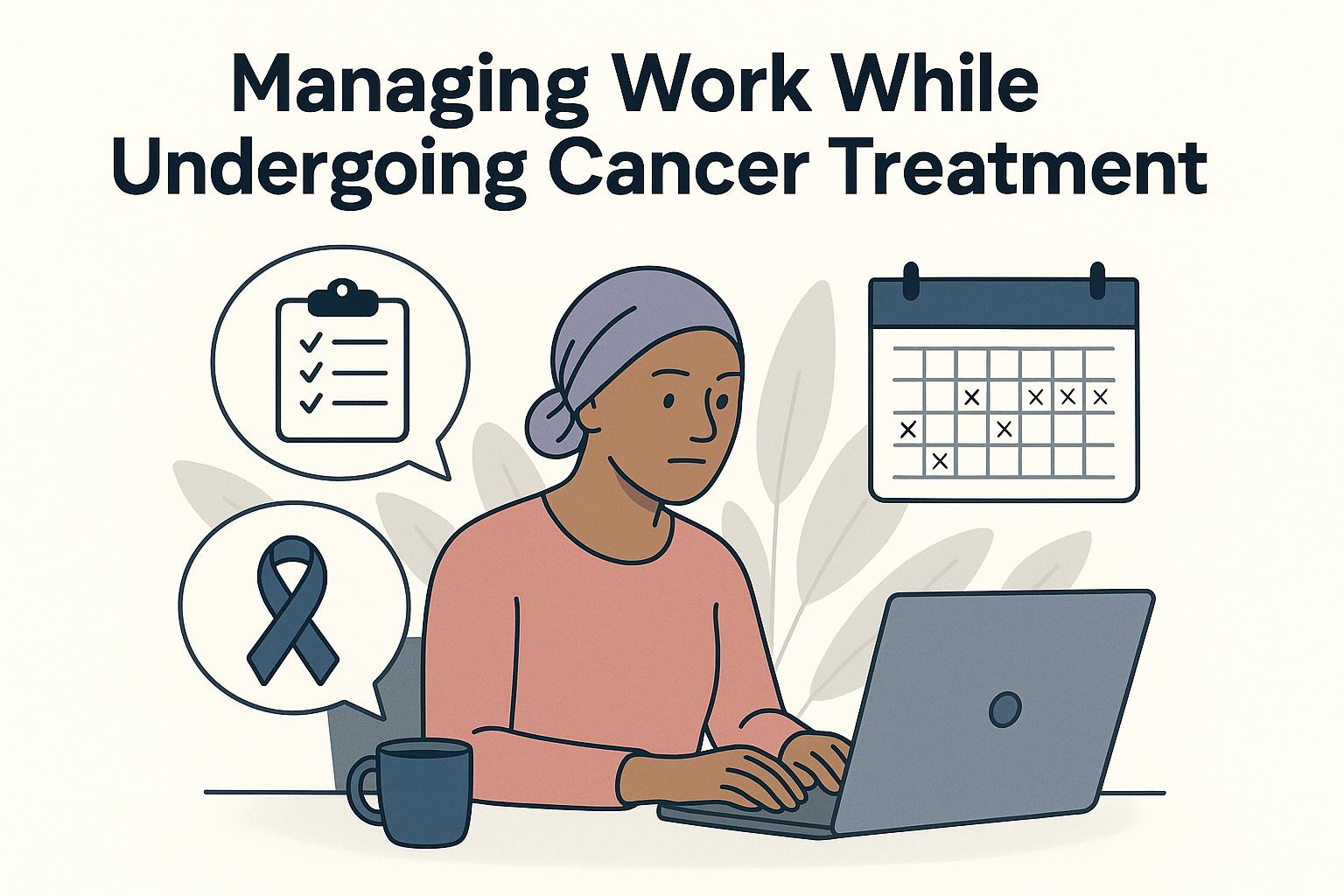
Understanding the Challenge of Managing Work During Cancer Treatment
Receiving a cancer diagnosis marks the beginning of a journey filled with both emotional and logistical challenges. For many individuals facing this reality, maintaining a professional life during treatment is a significant concern that must be addressed thoughtfully. Managing work while undergoing cancer treatment requires a delicate balance to ensure that both personal health and career responsibilities are maintained optimally.
Communicating with Your Employer
Effective communication with your employer serves as a cornerstone in managing work during cancer treatment. Initiating an open dialogue promptly with your manager or HR representative about your diagnosis and forthcoming treatment plan is highly advisable. This communication is crucial as it helps in setting realistic expectations and allows both parties to agree on necessary adjustments to the workload or work environment. By embracing transparency, you foster a work culture of understanding and support. It is also beneficial to be informed about any existing company policies related to medical leave or accommodations designed to assist employees during health challenges.
Exploring Flexible Work Options
With the contemporary work environment evolving, many employers are offering flexible work arrangements such as remote working or modified hours. Cancer treatment typically involves regular medical appointments and varying energy levels, making the flexibility to adjust work hours especially beneficial. It is useful to discuss with your employer if options like job sharing or part-time work are available and can be tailored to suit the demands of your treatment period. These arrangements allow for the necessary flexibility to attend appointments and recover from treatment sessions while still fulfilling professional obligations.
Legal Rights and Protections
When navigating work during cancer treatment, knowing your legal rights plays an important role. Depending on your location, legislation such as the Americans with Disabilities Act (ADA) or comparable laws elsewhere, might oblige employers to provide reasonable accommodations for employees undergoing medical treatments. Additionally, acts such as family and medical leave can offer critical unpaid leave options for handling health-related challenges. Consulting a legal advisor or engaging with your HR department can provide crucial insights into the specific protections applicable to your situation, empowering you to make informed decisions about your work arrangements.
Managing Health While Working
Balancing work with a health condition like cancer demands a heightened focus on self-care. Integrating health management strategies into your daily routine is vital to maintaining your well-being while managing professional duties. Being aware of physical limitations and associated stress levels is key. Regular consultations with your healthcare provider should be scheduled to adjust treatment plans effectively and mitigate any side effects that could potentially impact your work performance.
Utilizing Support Networks
One of the fundamental pillars in balancing work-aid dynamics during cancer treatment is a robust support network. This network can comprise work colleagues, friends, family members, or specialized cancer support groups. Such networks not only provide emotional and moral support but can also assist practically or professionally when required. Delegating responsibilities or seeking help with specific tasks can lighten the burden, substantially reducing stress levels. Moreover, these networks often offer practical solutions or alternatives you may not have considered.
Learning and Time Management
Effective management of work and treatment schedules demands precision and planning. Employing organizational tools and apps that streamline scheduling and enhance task management can prove beneficial. By identifying and prioritizing critical tasks, coupled with allowing time for strategic breaks, individuals can rest and recharge, maintaining productivity without compromising health. Keeping a journal that tracks energy levels and symptoms could provide insightful patterns that help in planning workdays better by aligning tasks to match your physical capabilities on any given day.
Conclusion
Navigating the complexities of balancing work while undergoing cancer treatment is undeniably challenging, yet not insurmountable. Employing the right strategies and fostering strong support networks are instrumental in achieving a harmonious balance between professional commitments and health needs. Engaging in effective communication with your employer, being aware of your legal rights, and prioritizing self-care can collectively contribute to a smoother work-life integration during this demanding period. For further assistance and exhaustive resources, consider reaching out to organizations dedicated to aiding individuals with cancer in professional environments, such as the [American Cancer Society](https://www.cancer.org/) or local support institutions specific to your region.
This article was last updated on: January 25, 2026