
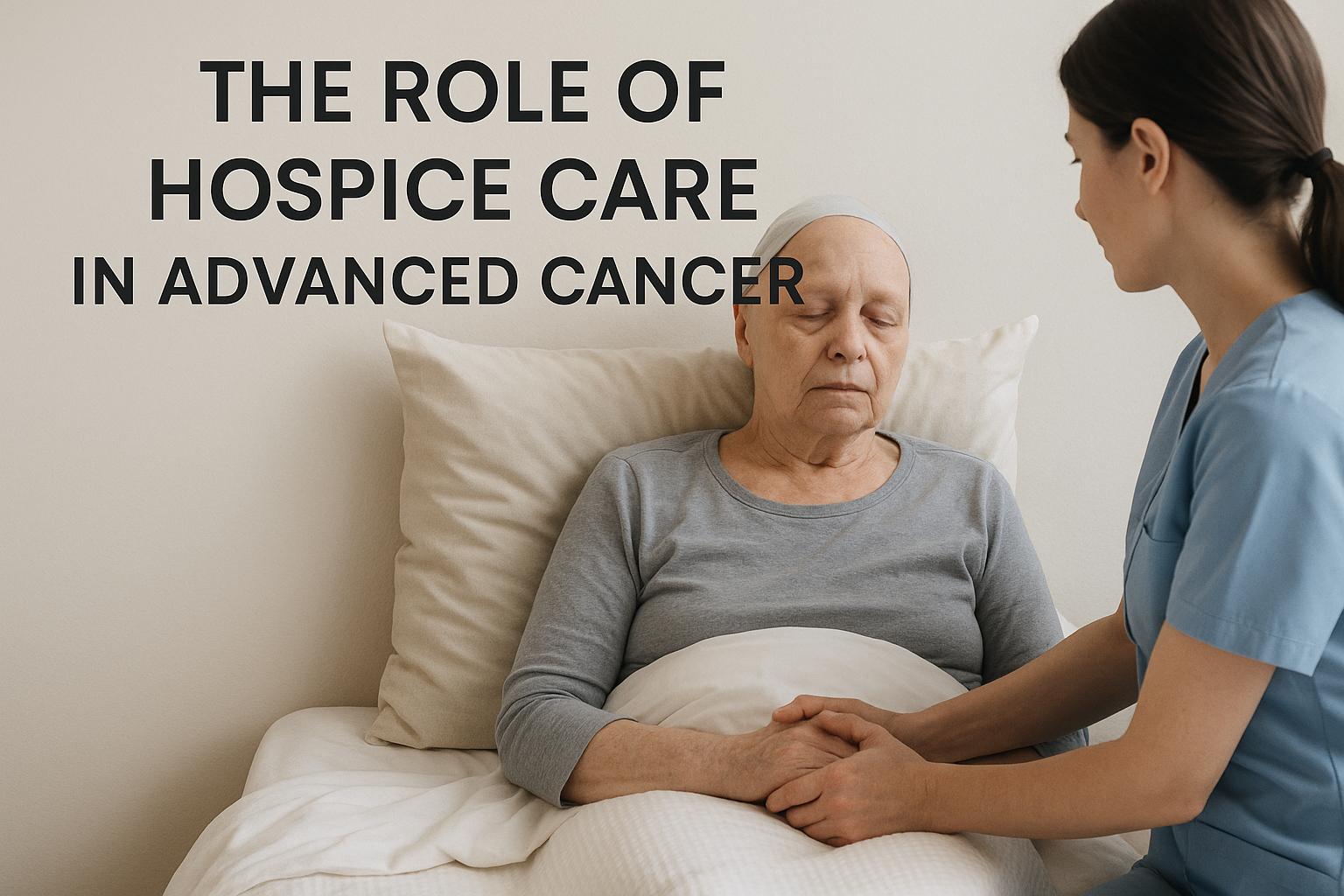
The Importance of Hospice Care in Advanced Cancer Management
When dealing with advanced cancer, the focus often transitions from curative treatments to palliative care. This shift in approach highlights the significance of hospice care, a comprehensive support system aimed at improving the quality of life for patients facing terminal illnesses.
Understanding Hospice Care
Hospice care is a specialized form of palliative care typically provided when a cancer patient is nearing the end of life and curative treatments are no longer viable. It involves a multidisciplinary team of healthcare professionals working collaboratively to support the patient and their loved ones. This team often comprises physicians, nurses, social workers, and chaplains, each contributing to a holistic care approach.
Holistic Approach
The primary goal of hospice care is symptom management aimed at enhancing comfort without attempting to cure the underlying cancer. Rather than focusing on treatment, hospice care prioritizes pain management, emotional support, and spiritual care. By addressing these areas comprehensively, hospice care helps ensure that patients experience dignity and peace in their final days, surrounded by compassionate care.
Location and Accessibility
Hospice care can be delivered in various settings, including patients’ homes, dedicated hospice facilities, or hospitals. The choice of location often depends on the patient’s health condition, family’s preferences, and available local services. Home hospice care, in particular, allows patients to remain in a familiar environment while receiving professional care and support from experienced hospice providers.
Benefits for Patients and Families
The advantages of hospice care extend across several facets of patient and family life. Here are key areas in which hospice care proves beneficial:
Symptom Management: Hospice care emphasizes effective symptom control, including pain relief and the management of other distressing symptoms such as nausea and shortness of breath. By employing various medical and therapeutic interventions, hospice teams work to alleviate physical discomfort and enhance the patient’s overall wellbeing.
Emotional and Psychological Support: Facing advanced cancer can evoke a myriad of emotions. Hospice staff provide counseling and emotional support to help patients and their families cope with feelings of anxiety, depression, and grief. These support services are crucial during such a challenging time, fostering an environment where emotional healing can take place.
Caregiver Support: Hospice care also offers support to family members caring for a loved one with advanced cancer. Caregiver support includes providing respite care, allowing family caregivers temporary relief from their caregiving duties. This enables them to rejuvenate and continue providing the best care possible with renewed energy.
Decision-making Assistance: The journey of advanced cancer often necessitates navigating complex decisions, particularly concerning end-of-life choices. Hospice professionals are equipped to counsel patients and families through this decision-making process, offering guidance on advance care planning and ensuring that decisions align with the patient’s values and wishes.
Choosing Hospice Care
The decision to initiate hospice care is both challenging and deeply personal. Engaging in open discussions with healthcare providers regarding the appropriate timing for transitioning to hospice care can ensure that patients receive timely and adequate support. By addressing potential concerns and exploring all available options, patients and their families can make informed decisions that align with their values and preferences.
Further Aspects of Hospice Care
Communication and Relationship Building
An integral part of hospice care is fostering communication and building trusting relationships between patients, families, and healthcare providers. Open and honest communication ensures that patients’ preferences and concerns are understood and respected. Through regular interactions, hospice teams help in setting expectations, discussing care goals, and providing transparency around the care processes involved.
Tailored Care Plans
Hospice care is distinguished by its personalized approach, where care plans are tailored to meet the individual needs and preferences of each patient. This personalized care involves assessing the patient’s physical, emotional, and spiritual needs and creating a plan that addresses both immediate concerns and long-term comfort. Such individualization ensures that care is responsive and adaptable to the evolving nature of terminal illness.
Integration with Community Resources
Hospice care teams often collaborate with community resources to extend the scope of support available to patients and families. This integration can include connecting families with support groups, financial assistance programs, or complementary therapies such as art or music therapy, which may provide additional comfort and solace.
Training and Educating Caregivers
Providing training and education for caregivers is another cornerstone of hospice care. Educating family members about the disease process, symptom management, and caregiving techniques empowers them to act as effective caregivers. This knowledge not only alleviates anxiety and builds confidence but also enhances the quality of care provided at home.
The Broader Impact of Hospice Care
Hospice care extends its impact beyond immediate patient support, influencing broader societal attitudes towards end-of-life care. By advocating for a focus on quality of life and dignity, hospice care contributes to changing perspectives on death and dying, promoting acceptance and reducing the stigma associated with terminal illnesses.
Conclusion
Incorporating hospice care into the treatment plan for patients with advanced cancer represents a shift towards prioritizing comfort and dignity over cure. Through its holistic, patient-centered approach, hospice care can significantly enhance the quality of life for patients in their final days. By addressing physical, emotional, and spiritual needs, hospice care ensures that patients face the end of life with dignity and peace, surrounded by loved ones who understand and meet their needs. As an essential component of palliative care, hospice plays a vital role in providing a compassionate and supportive environment that fosters healing, acceptance, and closure.
This article was last updated on: November 27, 2025